FEATURED STORY

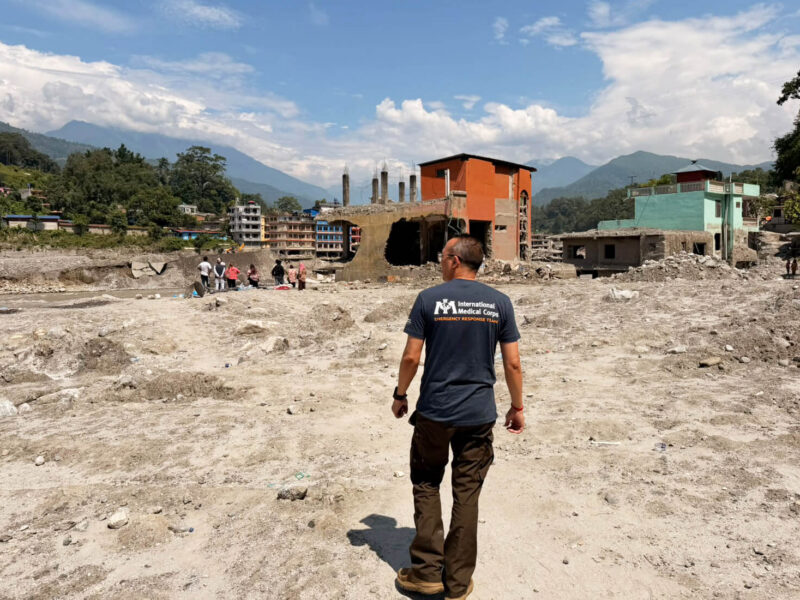
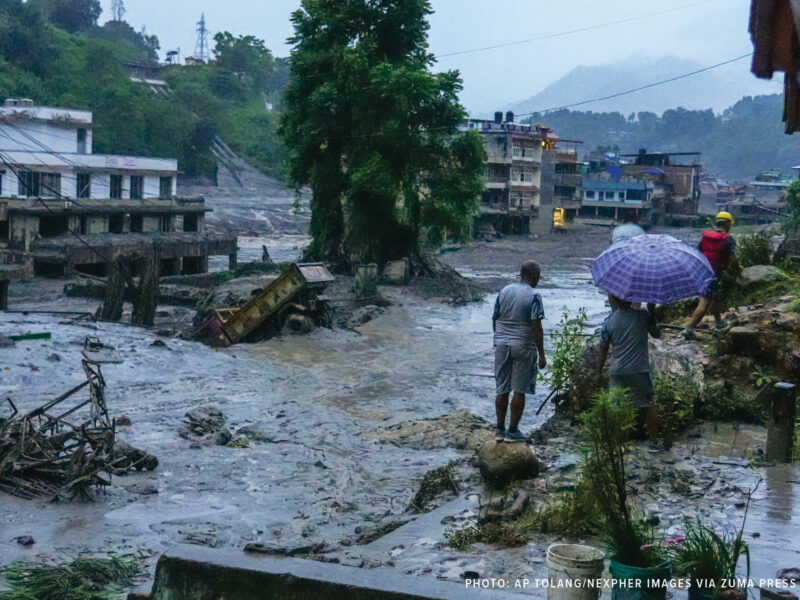
Venezuela Earthquakes: What You Need to Know

Learn about the June 24 earthquakes that have devastated Venezuela—and how we are helping people recover.

Read more
Items
Filters:
Story

‘Healthcare Is About Trust’

Article Summary Dr. Selma Saadeldeen is a dedicated physician and humanitarian leader who works in war-torn Sudan. As a child, her best friend and neighbour died because she was unvaccinated and there were no nearby healthcare facilities. Working at International Medical Corps, Dr. Saadeldeen has helped strengthen local health facilities, support mobile health and nutrition …

Continue Reading

Story

A New Maternity Unit Brings Hope to Mothers in Baidoa

In Somalia, pregnant women in rural and conflict-affected areas can face overwhelming obstacles when trying to access lifesaving healthcare. A limited number of functional health facilities and shortages of skilled birth attendants leave many women with no choice but to give birth at home—a dangerous proposition in a country with one of the highest maternal …

Continue Reading

Story

July Snapshots 2026

Delivering Mental Health Support in Ukraine For people living close to the front lines in Ukraine, the sounds of war are a daily reality. The constant threat of shelling, the loss of homes and loved ones, and the stress of displacement have left many people carrying invisible wounds—often with limited access to the mental health …

Continue Reading

Story

Where Water Flows, Health Follows

Good health cannot exist without clean water. In Zimbabwe, International Medical Corps is making sure that the two interrelated needs are met—by first ensuring that communities have access to clean water, and can maintain that access. From there, good health can follow. Zimbabwe is facing significant water, sanitation and hygiene (WASH) challenges. From December 2025 …

Continue Reading

Story

Inside the Kitchens of Our Field Hospitals in Gaza

When Rasha Saqallah joined International Medical Corps’ first field hospital, located in Rafah, in 2024 to work as a chef in the hospital’s kitchen, she had no idea how demanding her job would be. She was one of the first chefs to arrive and was taken aback by the sheer number of patients and injuries, …

Continue Reading

Story

Timely Referral Saves a Young Woman’s Life in South Sudan

Nyabol Ochol is a young woman living in South Sudan, a country with one of the world’s highest maternal mortality rates. Women who live in remote areas often are hours from skilled maternity care, and seasonal flooding can further delay access to lifesaving treatment. Nyabol lives in Ahiaobang, a village in Fashoda County along the …

Continue Reading

Story

June Snapshots 2026

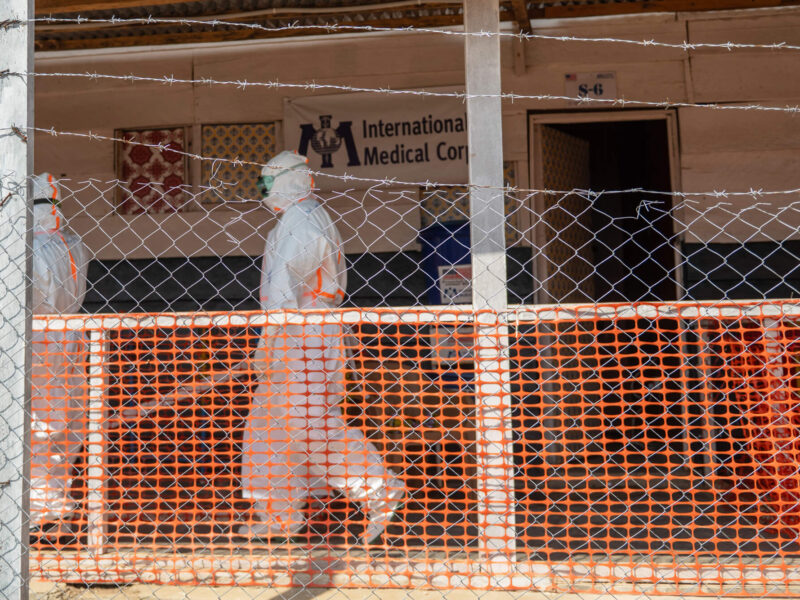
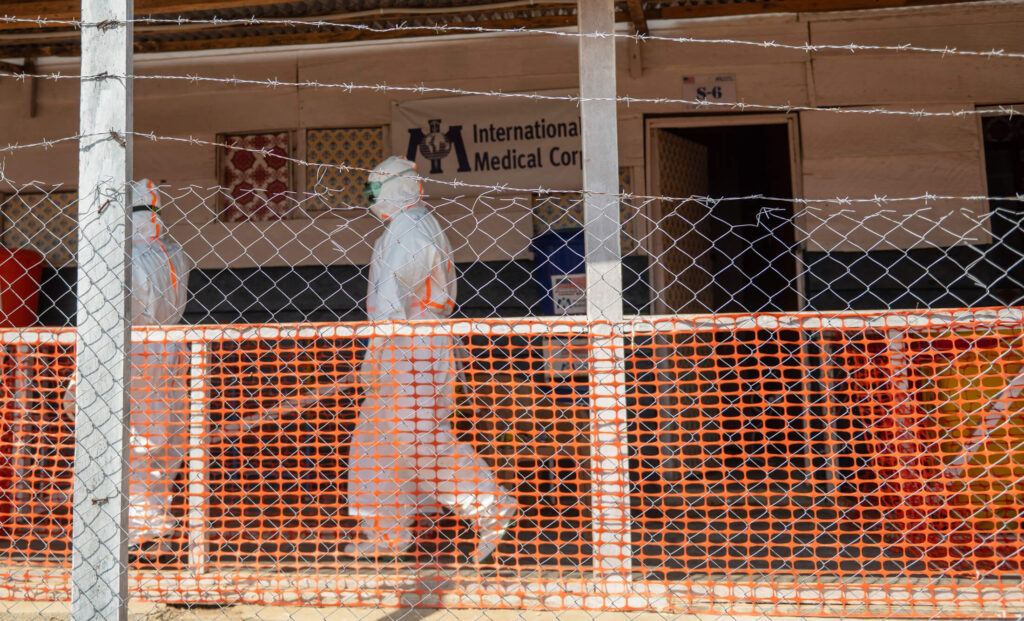
Partnering with the US Government to Stop the Spread of Ebola in Central Africa When an outbreak of infectious disease happens, communities are often unprepared. After an outbreak of Ebola was declared in the Democratic Republic of the Congo (DRC) in mid-May, many health facilities had to be adapted to screen and treat patients—and some …

Continue Reading

Story

The Miracle of Quadruplets in a Gaza Field Hospital

Being pregnant in a war zone is difficult enough. But when a woman is expecting multiple babies, the uncertainty of survival can make it all seem even more overwhelming. Nisreen Abu Zreik, a 35-year-old mother of three from Nuseirat in central Gaza, had been living with constant worry since learning that she was pregnant with …

Continue Reading

Story

The Fight Against Cholera in Nigeria

On May 1, the first case of acute watery diarrhoea (AWD)—a telltale symptom of cholera—was reported in the local government area (LGA) of Maiduguri Metropolitan Council, in Borno State in northeastern Nigeria. Since then, cholera has spread into 18 LGAs and has caused nearly 15,000 cases and 115 deaths. Cholera is a bacterial disease that’s …

Continue Reading

Story

What Is Cholera and How Do We Fight It? Here’s What You Need to Know

Though cholera is a severe and sometimes deadly disease that can spread rapidly and devastate communities, it is also preventable and treatable. Quick access to healthcare, safe drinking water, proper sanitation and good hygiene practices can dramatically reduce the risk of transmission—and save lives. Below, we answer some of the most common questions about cholera, …

Continue Reading

Page: