Noujoud was only 15 when she fled the conflict in Syria and arrived in Lebanon in 2016, searching for safety. Now 24, she lives with her husband and three children in Karm el Zaytoun, a densely populated neighbourhood in Mount Lebanon governorate, and does her best to care for her family under challenging conditions.
Since birth, her 6-year-old son Rashid faced a painful medical condition known as hypospadias (when the opening of the urethra is in an abnormal position). The discomfort affected his physical health and confidence. “From the beginning, I noticed something was wrong,” Noujoud says. “But with limited resources and no clear way forward, we felt stuck.”
A few kilometres away, in a cramped room on the outskirts of Beirut, Mounir and his wife, Walaa, do everything they can to provide for their four children. The family fled to Lebanon nine years ago to escape the conflict in Syria, but since then, they have had to struggle every day. “Our income is just $200 a month,” Mounir says. “We spend half of it on medications for my heart problem, and the rest barely covers food. There’s nothing left for school or medical care.”
For years, his two youngest children, 8-year-old Maha and 6-year-old Jihad, lived with an umbilical hernia—a congenital condition that is usually painless but may require surgery to prevent future emergencies. Mounir and Walaa wanted the kids to undergo surgery to repair the hernia, as it was starting to cause discomfort, but they couldn’t afford the cost. “It broke our hearts to watch them grow up with this issue, knowing we couldn’t help them,” Walaa says.
Rashid, Maha and Jihad are only few of the many refugees in Lebanon who require urgent medical assistance. But accessing healthcare in the country—for refugees and Lebanese alike—is far from easy. In recent years, Lebanon has experienced a series of devastating crises. After the economic collapse in 2019, the Beirut port explosion in 2020, a major cholera outbreak and escalating conflict in the region, more than 2 million out of the country’s 5.8 million people are displaced. In addition, nine out of 10 Syrian refugees need assistance to meet their basic needs. Government hospitals are struggling with significant operational challenges amid a prolonged socioeconomic crisis and recent conflict-related damage, even as cross-border hostilities trigger new waves of displacement.
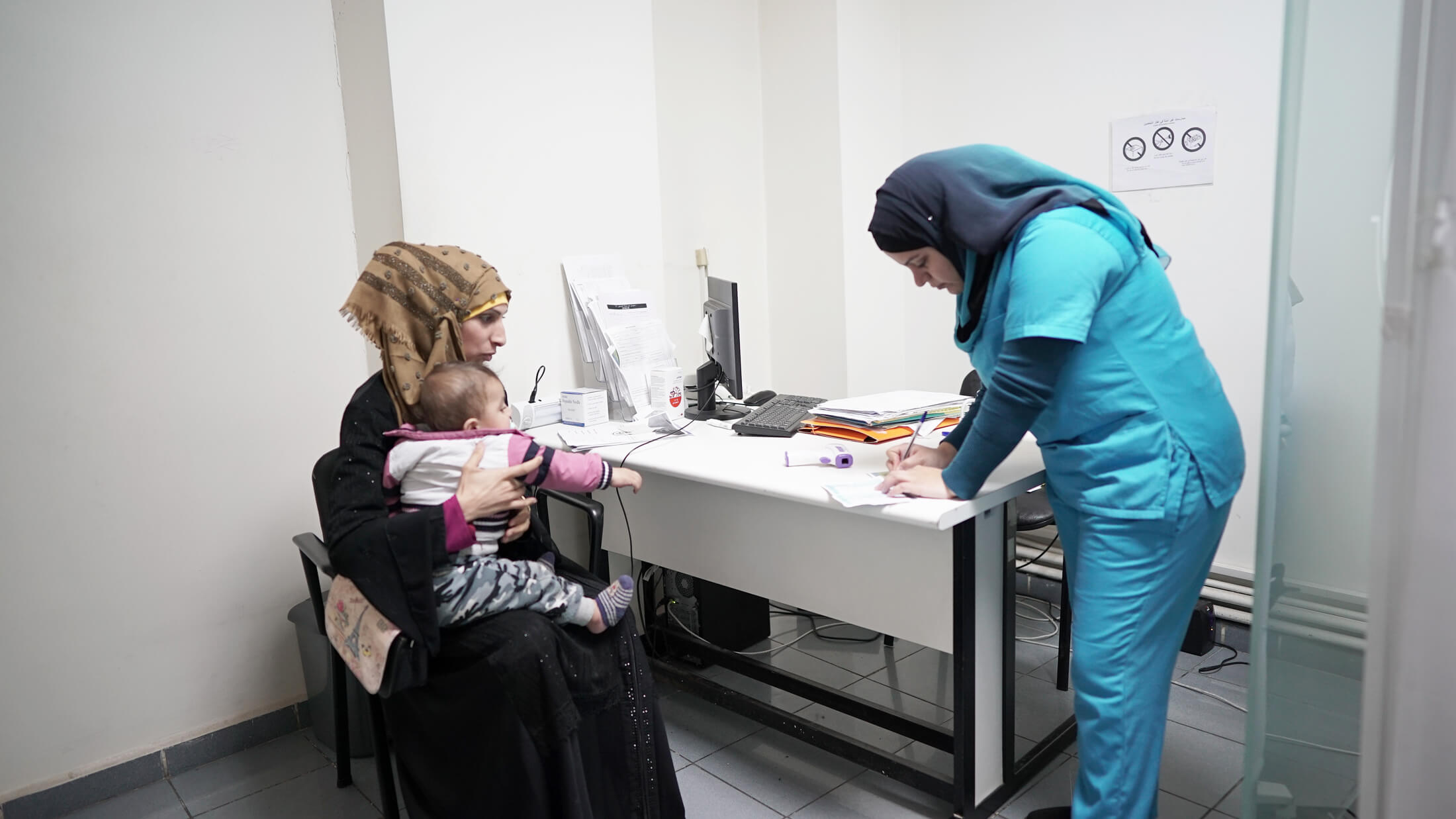
International Medical Corps has been supporting surgical procedures for refugee and Lebanese children since June 2024. We cover diagnostic tests, surgical expenses, initial appointments at primary healthcare centres (PHCCs), referrals, transportation costs and post-surgical follow-up. Through the project, called “Supporting Pediatric Surgical Needs and Strengthening Capacity of Hospitals in Lebanon,” we have supported 229 surgical procedures for 195 children with congenital urogenital malformations across hospitals in Beirut, Bekaa and Tripoli. We have also enhanced the capacity of government hospitals by providing them with such critical medical equipment as CT scan machines, echocardiography monitors, X-ray machines, ventilators, ultrasound devices and steam sterilisers.
Making Expensive Surgeries Affordable
Nisrine, 37, lives with her husband and four children in Al Qobeh, a poor and densely populated neighbourhood in Tripoli. One of her sons, 7-year-old Mahmoud, was born with an undescended testicle—a condition that did not pose an immediate problem but had long-term risks. He underwent surgery when he was just a year old, but it did not completely cure the condition. Nisrine knew that he needed another surgery. However, the family had a limited income and couldn’t afford the medical costs. Nisrine sought help from local organisations but received no assistance.
She learned about International Medical Corps’ support to the Makarem PHCC through a WhatsApp post shared on social media. She visited the PHCC with Mahmoud, where he received a free evaluation by our doctor. When the doctor confirmed the diagnosis, he referred Mahmoud for a consultation with a paediatric surgeon at the Tripoli Government Hospital for further evaluation and confirmation of the surgery.
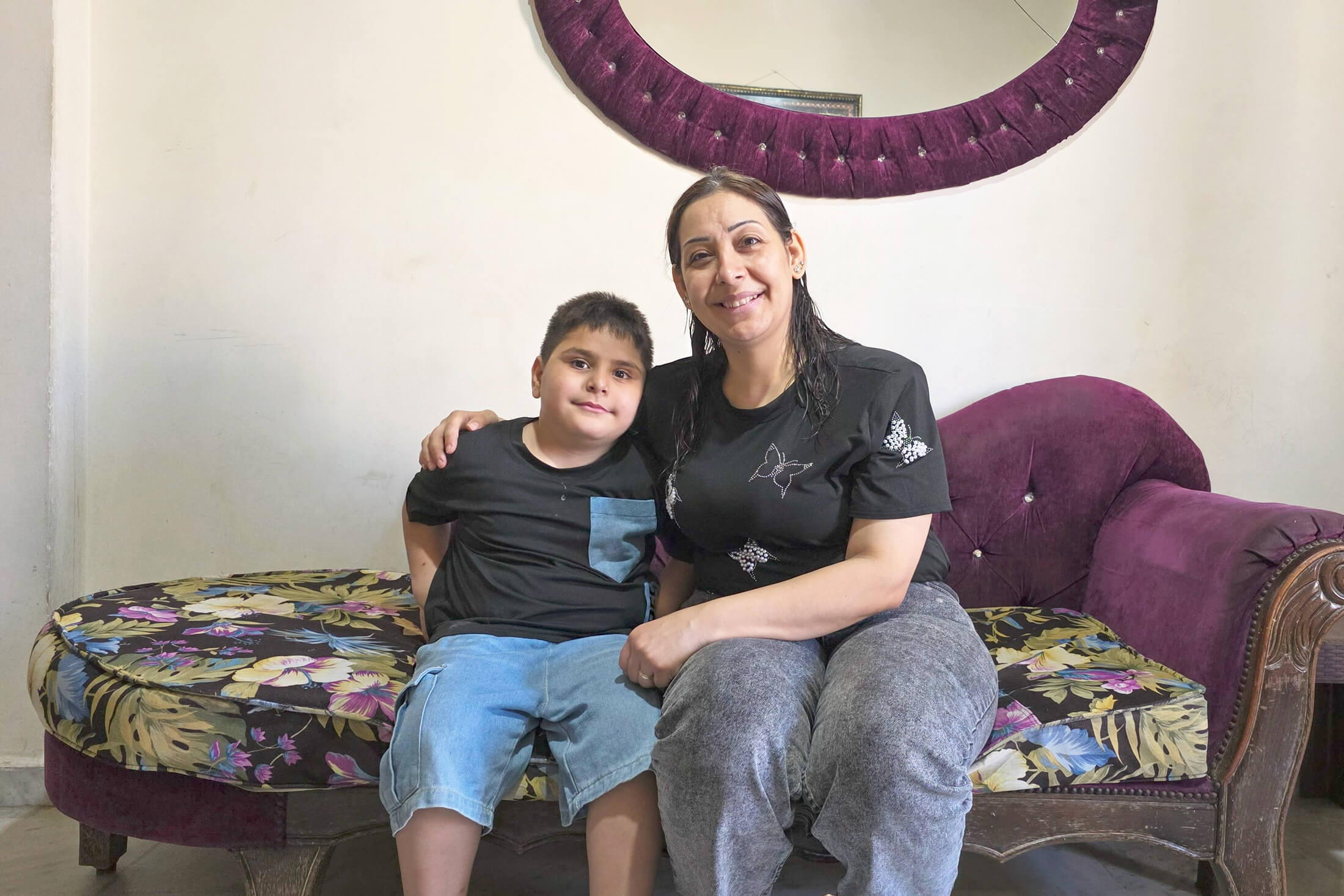
Our Health team coordinated the entire process, including the initial assessment, referral to the surgeon, surgery schedule, transportation to the hospital and the post-surgical appointment. According to Nisrine, accessing care was smooth and respectful from start to finish. “The clinic and hospital welcomed us warmly,” she recalls. “The medical team accommodated our schedule, explained every step of the procedure clearly, and handled Mahmoud’s anxiety before the anaesthesia with patience and professionalism.”
Mahmoud underwent his surgery in late 2024 with no complications, with International Medical Corps covering the medical costs. He stayed overnight at the hospital and was discharged the next day. The medical staff kept the family informed throughout the process, ensuring that they felt supported and reassured. “The whole experience was excellent,” Nisrine says. “We have no negative feedback. I deeply appreciate the support because cases like Mahmoud’s, though not always highlighted, are still important and deserve attention. I hope this support continues so other parents like me can find help for their children when they need it the most.”
Nojoud also learned about our integrated health services at the Tayyouneh PHCC through a WhatsApp group. Her son, Rashid, underwent an initial screening at the PHCC, had another consultation with a surgeon at the Karantina Government Hospital, then underwent a hypospadias surgery at the hospital in March 2025. Our Health team once again took care of every detail, including the cost of the surgical procedure, follow-up visit and transportation. From initial assessments to specialist referrals and hospital coordination, the process was transparent, timely and dignified.
Rashid returned to school two weeks after the surgery. Today, he enjoys life like a child should—playing, learning and smiling. “The surgery gave him relief,” Noujoud says, expressing gratitude. “International Medical Corps lifted a huge burden from our shoulders.”
Struggles Continue—But So Does Our Support
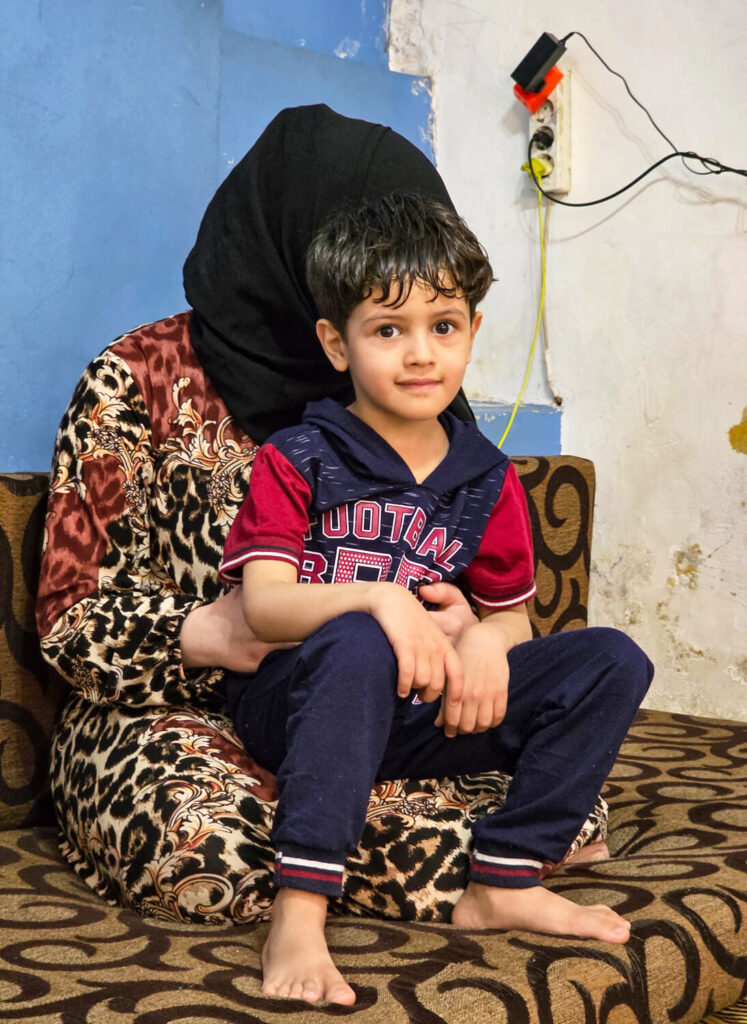
Like Rashid and Mahmoud, we offered Mounir’s family what it needed—free and comprehensive medical support. In January 2025, Maha and Jihad underwent surgeries at the Karantina Governmental Hospital to repair their umbilical hernias. From the first appointment of the two children at the Burj Hammoud PHCC to their surgeries, International Medical Corps took care of every detail—including the cost of the procedures, follow-up visits and transportation to the hospital.
“They’re playing again, eating well and sleeping peacefully,” Mounir says while sitting with Maha and Jihad in their home. An observer notices the paint on the wall behind them peeling off, and reflects on the family’s difficult living conditions. “International Medical Corps stood by us when no one else did,” Mounir replies. “You didn’t just treat my children; you gave us dignity. You reminded us that we’re not forgotten. Thanks to you, our kids have a second chance.”
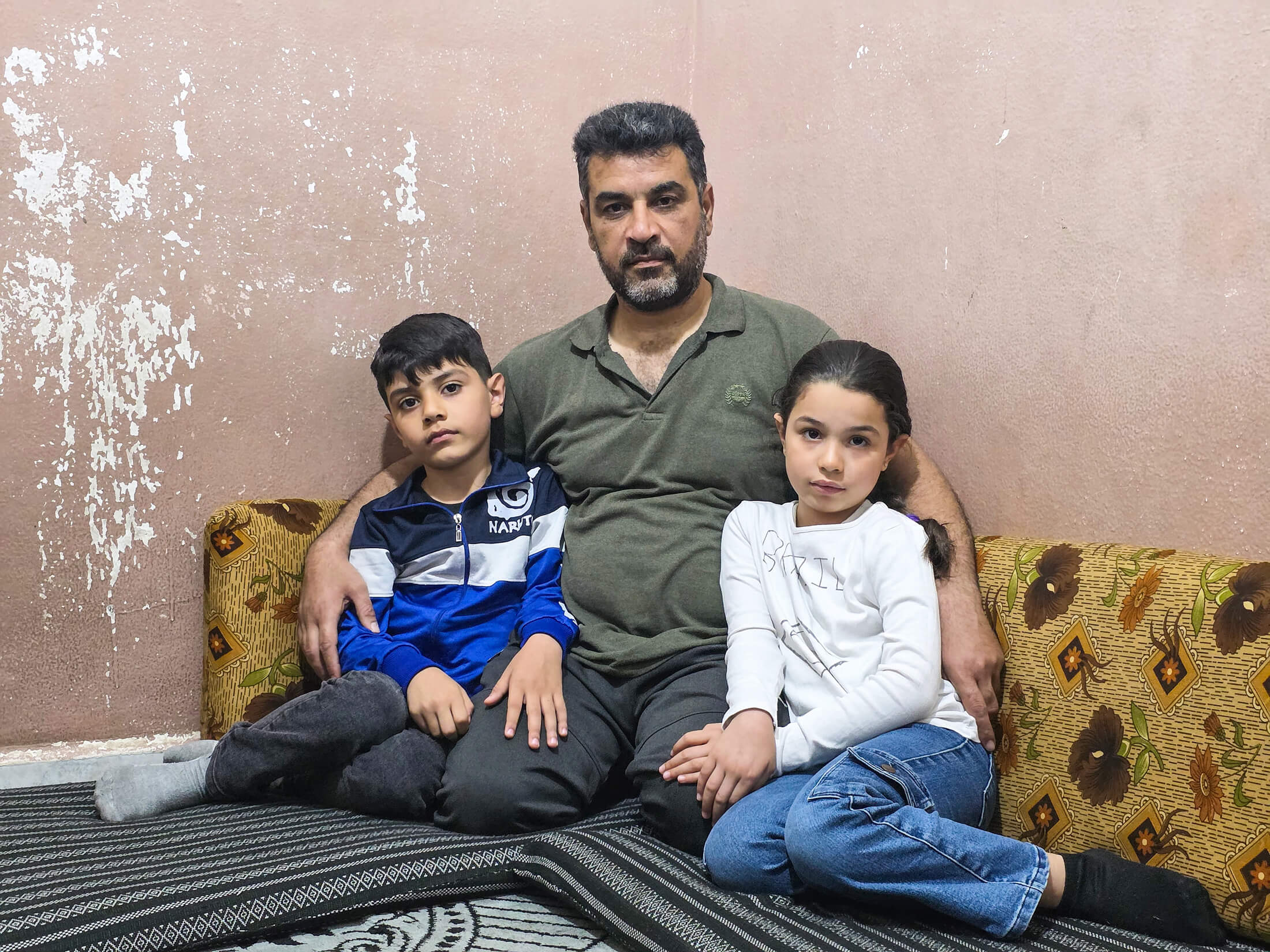
Their struggle is the story of 80% of the country’s population, who live in poverty. “It’s not easy,” Nisrine says. “No one is living ‘La Vie en Rose.’ Everyone faces their own problems and demons. But as a parent, you keep finding ways to continue living and raising your children.”
Nojoud echoes her sentiment. With her husband working as a day laborer, the family’s income barely covers rent and electricity. “We can’t say life is easy,” she adds. “But the kind of support provided by International Medical Corps makes a real difference.”
Learn more about our lifesaving work in Lebanon.