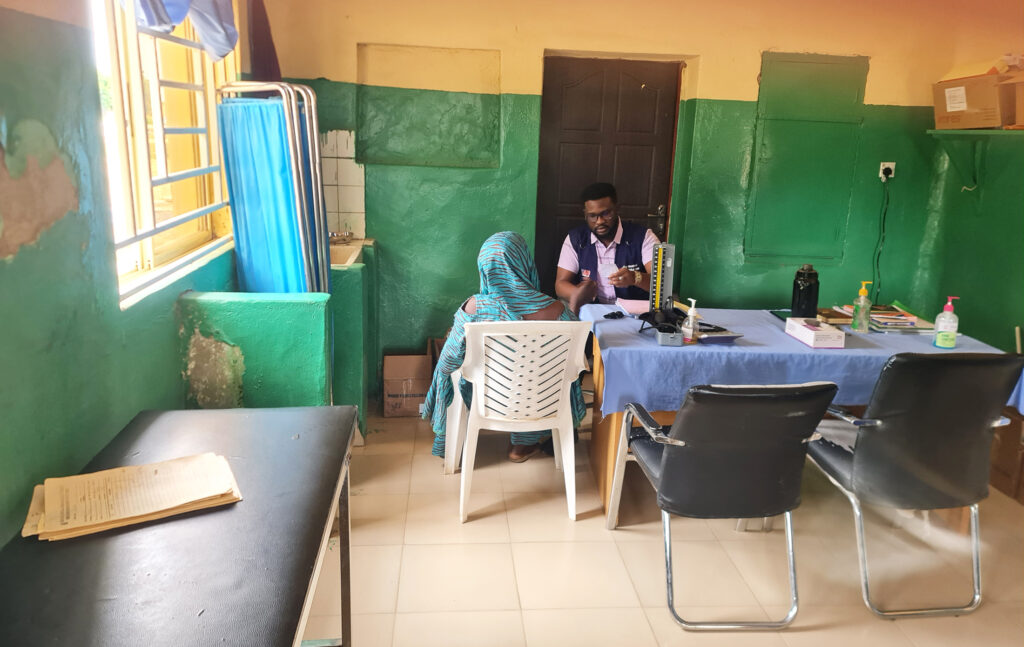
International Medical Corps is working with the government of Nigeria to expand access to specialised mental health and psychosocial support (MHPSS) in the Gwoza Local Government Area (LGA). Through targeted outreach, care is now reaching people where they are—helping people affected by years of insecurity, displacement and economic hardship.
In this context, many people living with severe mental health conditions remain unseen. Stigma, limited awareness and a lack of services prevent them from accessing care. Behind each case is a person, a family and a community struggling to cope.
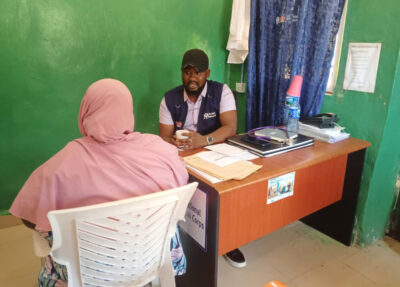
The stories of Ladi Joshua and Abdullahi Umar show what is possible when mental health care becomes accessible.
From Isolation to Renewal: Ladi Joshua’s Journey Back to Life
For nearly eight years, 47-year-old Ladi Joshua lived with severe emotional distress that steadily disrupted her life. Once active in her family and community, she began experiencing insomnia, emotional instability and social withdrawal. Over time, everyday functioning became increasingly difficult.
“I felt like I was losing myself every day,” she recalls. “I could not sleep, I could not think clearly and I pushed everyone away.”
Before arriving in Gwoza, Ladi had spent almost two years receiving care at the Federal Neuropsychiatric Hospital. However, financial constraints interrupted her treatment, leading to a relapse. By mid-2024, when she was referred to International Medical Corps through a Women’s Protection and Empowerment programme, her condition had worsened significantly.
At General Hospital Gwoza, the MHPSS team conducted a comprehensive assessment. Ladi presented with emotional distress, persistent headaches, body pain, disrupted sleep, depressive symptoms and difficulty maintaining social relationships.
The team developed an individualised care plan combining:
- medication management;
- structured psychosocial support;
- regular counselling; and
- practical coping strategies.
Over three months, Ladi attended follow-up sessions with support from her family. Gradually, she began reconnecting with her environment and participating in community activities.
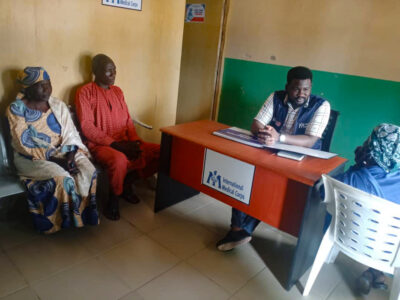
As treatment progressed, Ladi’s condition improved. Her sleep stabilised, physical discomfort reduced and her emotional well-being strengthened.
“Each day felt lighter,” she says. “I started to feel like myself again.”
Today, Ladi is once again engaged in family and community life. Her recovery highlights the importance of consistent, holistic care delivered with dignity and empathy.
Rebuilding Stability: Abdullahi Umar’s Story
Abdullahi Umar, a 60-year-old man living in Gwoza LGA, lived with untreated hebephrenic schizophrenia for nearly three decades. The condition severely affected his ability to think clearly, communicate and carry out daily activities.
He was once a trader who regularly travelled to Kano. But about 30 years ago, his behaviour began to change. He developed disorganised thinking, difficulty communicating and unusual behaviour, including giving away goods from his shop.
Without awareness of mental health conditions, his family initially attributed these changes to spiritual causes. As his condition worsened, Abdullahi became housebound and unable to seek care independently.
Despite repeated attempts, his family struggled to convince him to visit a health facility.
Determined to help, his elder brother sought support from local partners, who referred the case to International Medical Corps.


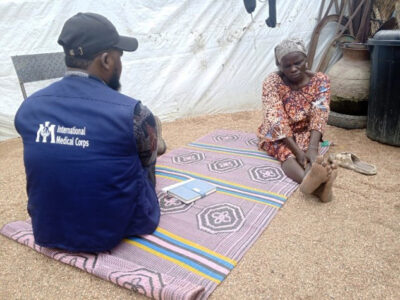
Recognising the severity of the situation, the MHPSS team implemented a home-based care approach, ensuring that Abdullahi could receive treatment despite being unable to travel.
The intervention included:
- antipsychotic medication to stabilise symptoms;
- family education on schizophrenia;
- ongoing counselling and psychosocial support; and
- regular home visits to monitor progress and adjust care.
By involving the family, the team strengthened the environment around him—an essential factor in long-term recovery. Over time, Abdullahi began to show significant improvement. His behaviour became more organised, and he started engaging with his surroundings. He can now communicate his basic needs more clearly and perform daily tasks, such as sweeping and organising his belongings.
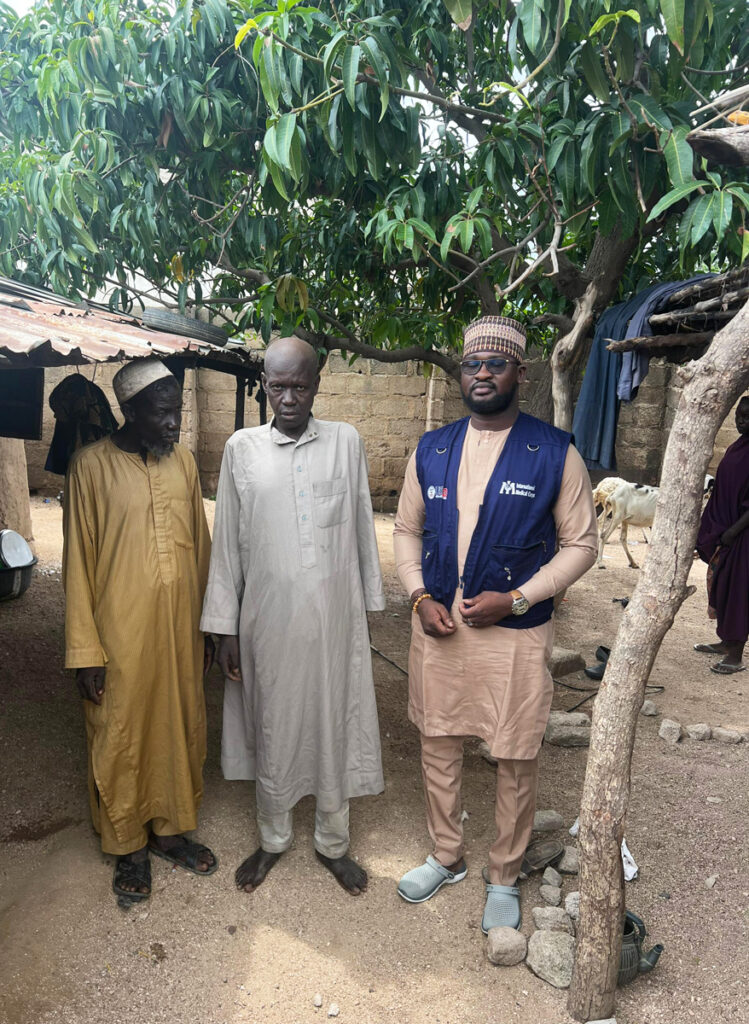
“Now, he listens—sometimes he even responds,” his brother says. “We haven’t seen this side of him in many years.”
Why This Matters
Access to mental health care remains limited in many crisis-affected communities. Without treatment, conditions like those experienced by Ladi and Abdullahi can lead to prolonged suffering, isolation and loss of dignity.
International Medical Corps’ approach—combining clinical treatment with psychosocial support—demonstrates that recovery is possible, even after years without care.
“Cases like these require patience, consistency and a holistic approach,” says MHPSS Officer Anthony Daniel. “We work not only with the individual, but with their entire support system.”
Their stories highlight a critical need: access to integrated mental health and psychosocial support services for vulnerable populations.
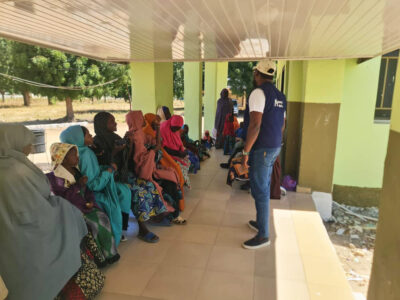
Interventions like these help more than one individual—they strengthen entire communities. By helping patients, programmes like these help people regain their roles as family members and active participants in society. They reduce stigma, promote mental health awareness and show that recovery is possible—even after years of struggle.
International Medical Corps has worked in Nigeria since 2013. The ongoing conflict in the northeast continues to fuel one of Africa’s most significant humanitarian crises. Amid the fighting, more than 8.4 million people need lifesaving assistance and more than 2.3 million are internally displaced. Our teams deliver programmes addressing health, nutrition, violence against women and girls, food security, livelihoods, and water, sanitation and hygiene.