International Medical Corps has been providing medical care to communities around the world since 1984. Much of our work involves treating illness and responding to outbreaks of disease, which is why we focus on preventing people from ever getting sick in the first place.
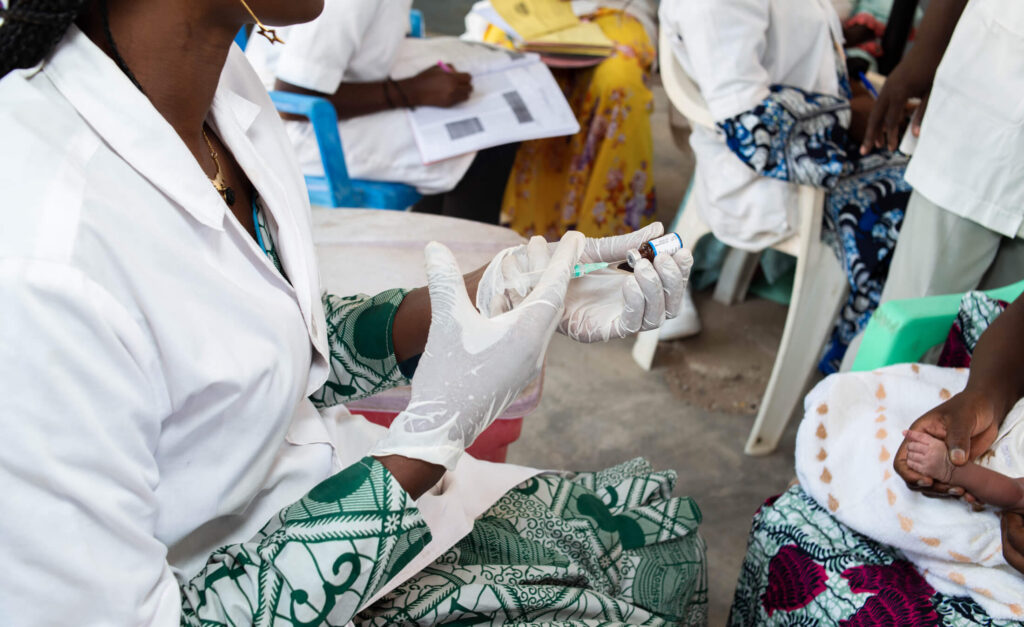
Vaccinating babies and young children against a range of illnesses can prevent the spread of infectious disease and create safer, healthier communities. That’s why our teams in Cameroon—where we’ve worked since 2008—have been working in health facilities and communities to vaccinate children from birth to 22 months of age.


Our last-mile strategy focuses on supporting health districts and their local facilities, ensuring that children living in conflict-affected, remote or hard-to-reach places can benefit from vaccination. We help to ensure that vaccines are stored safely at the regional level, and support the transportation of vaccines to local health facilities, whether by car, motorbike or boat. We also plan and facilitate several vaccination events each month, coordinating with local healthcare workers to get vaccines to the people who need them.


Though the work is important, it is not easy. In many corners of the country, conflict and armed groups create danger for health workers and patients alike. Some parts of Cameroon are prone to regular flooding.


Despite these challenges, our teams are dedicated to making sure that vaccines get to those who need them, no matter where they are. In 2025, the facilities we support provided more than 5,000 children under 1 with the pentavalent vaccine and nearly 4,400 with the measles vaccine.
Spreading the Word
Community health workers (CHWs) are crucial to vaccination because they know the community and can more easily gain the trust of their neighbours. In many villages in Cameroon, CHWs go door to door to talk about the importance of childhood vaccination and to tell parents and guardians how to get to the nearest clinic or vaccination event. CHWs sometimes even walk through the streets broadcasting their messages through a megaphone.


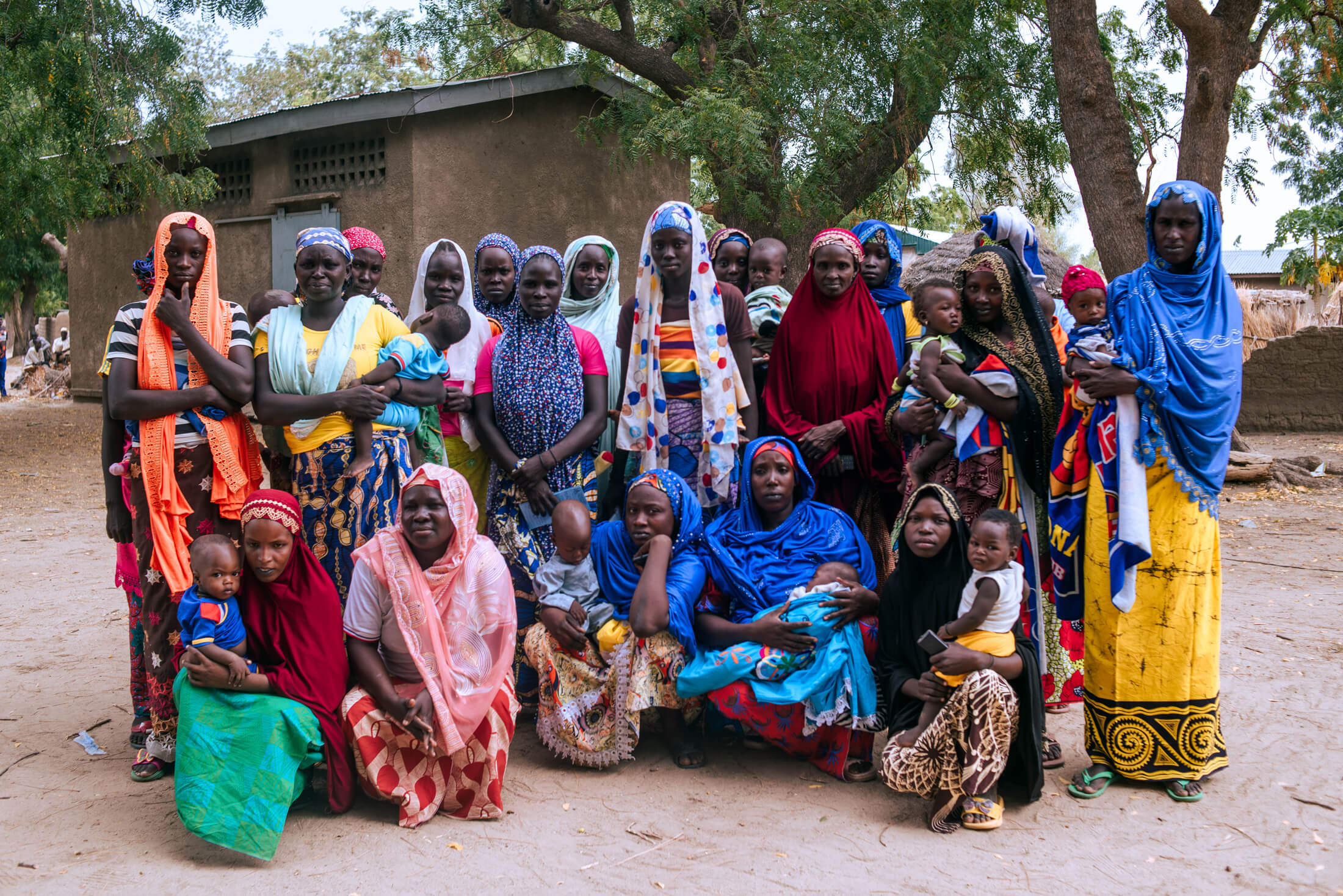
As part of our work to vaccinate infants and toddlers in Cameroon, we hold frequent—and well-attended—immunisation events where parents can bring their young children to receive vaccines appropriate to their age and needs.


Maimouna, a mother living in the village of Djalingo, learned about a vaccination campaign at Dogba Health Center from Foumbi, a CHW who took to the streets with a megaphone to spread the word. After doing her household chores and washing her young son, Maimouna took the baby to the health centre, where she listened to an education session on the importance of vaccination. After her baby was vaccinated, Maimouna told us how happy she was with the services we had provided.


In addition to vaccinating young children, International Medical Corps also helps health personnel—both at the district level and facility level—to improve the work they do involving vaccine data, monitoring, planning and reporting. And when there are outbreaks of infectious disease, we support health facilities with investigation, disease surveillance and contact tracing.


Cameroon is subject to regular outbreaks of infectious disease. Vaccinating communities’ youngest members greatly reduces the risk of outbreaks—as well as the strain on already-fragile health systems in the country. Read more about our work in Cameroon.