FEATURED STORY

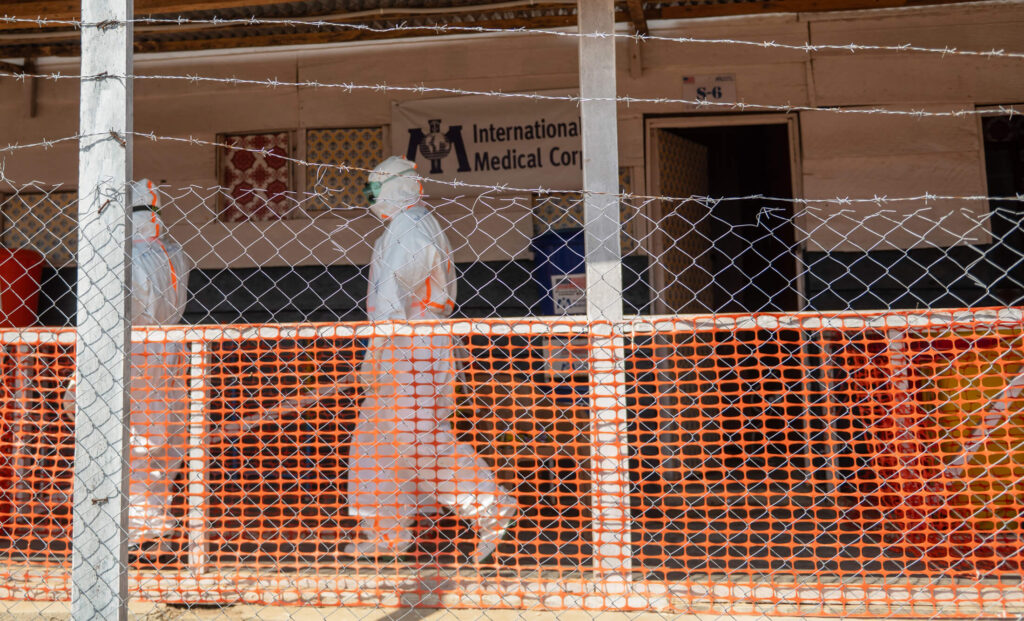
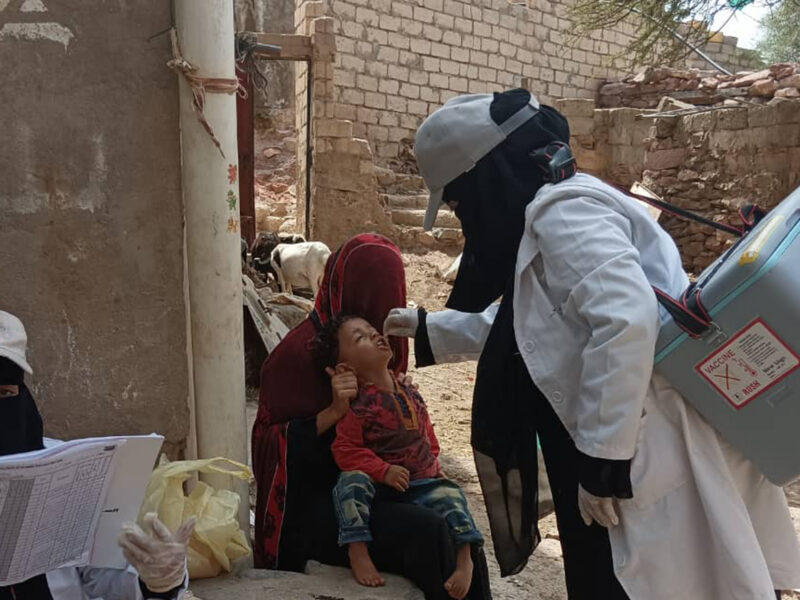
Being a Repeat Ebola Responder: “I Have to Give the Best of Myself”

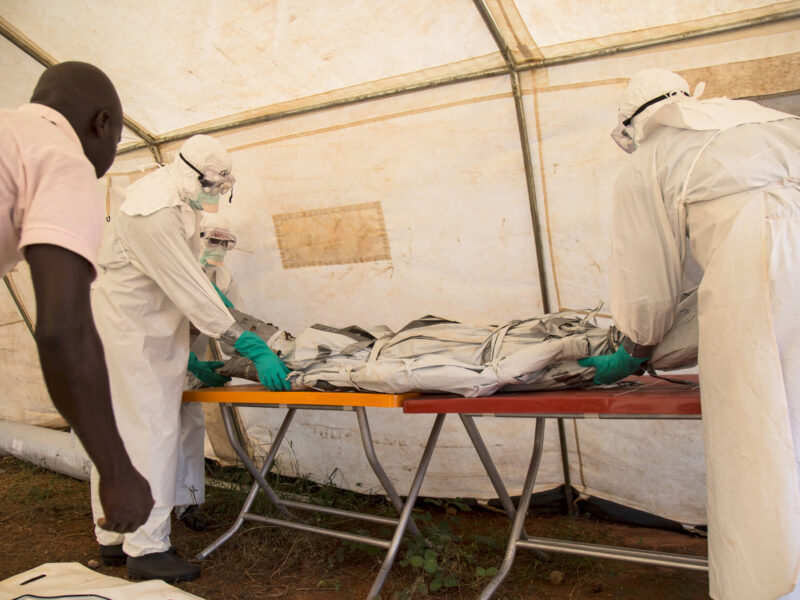
Dr. Jean Marie Kashosi has been on the frontlines of multiple Ebola outbreaks in the DRC since 2019. Despite the stress of working with such a deadly disease, he says that being a repeat responder has been worth it to help people.

Read more
Items
Filters:
Story

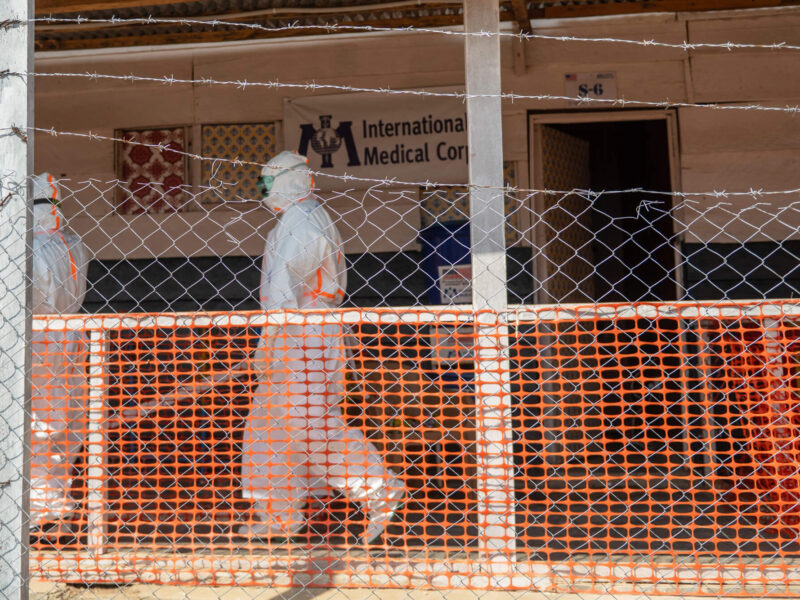
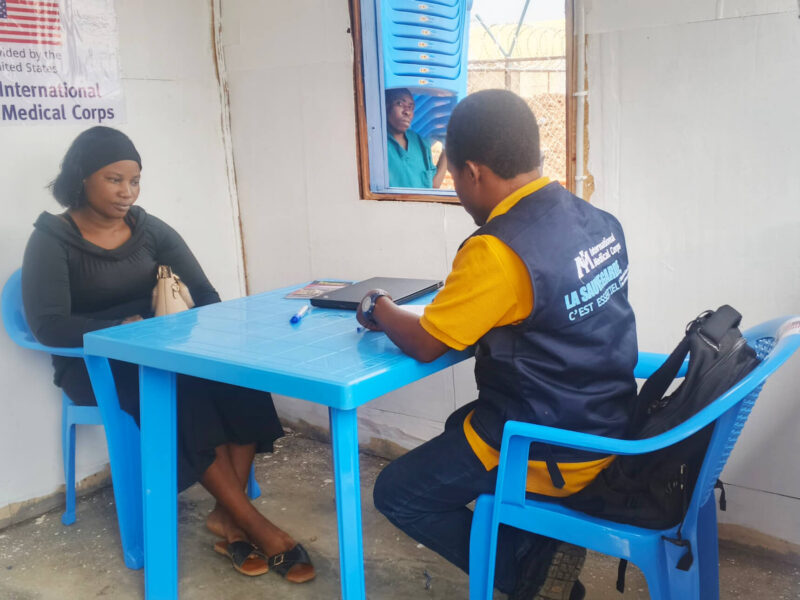
From Hesitancy to Acceptance of Vaccines

“Illness never leaves my house.” That’s the first thing Asma told a health worker when she visited the International Medical Corps-supported Robad Aqlalaa health facility in Yemen’s Ibb governorate. As a mother to four children aged 1 to 8, Asma worried constantly about their health, because they were frequently sick. When the health worker asked …
Continue Reading

Story

During Ebola Outbreaks, MHPSS Is Essential

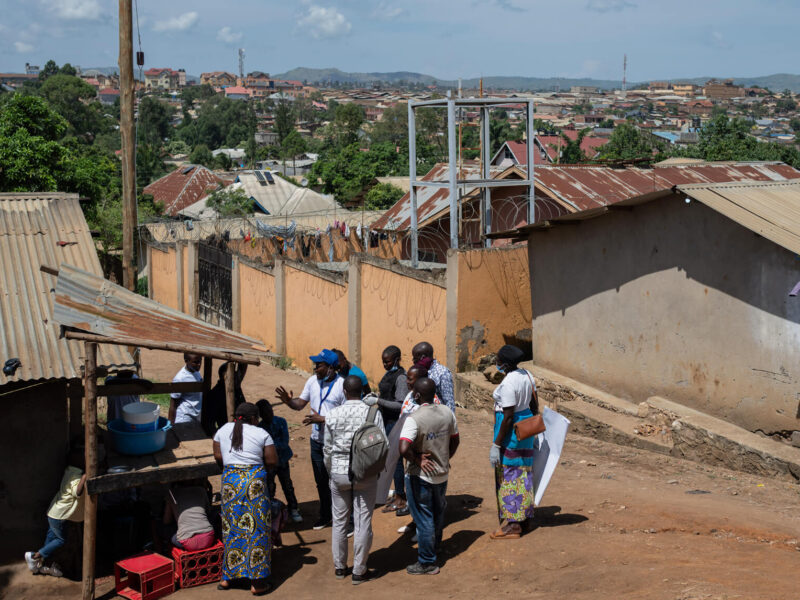
During an outbreak of disease, mental health and psychosocial support (MHPSS) services are paramount for everyone affected: patients, their family, members of the community and healthcare staff. This is true as the Ebola outbreak rages on in the Democratic Republic of the Congo (DRC), where our MHPSS officers, psychologists and psychosocial support staff are hard …

Continue Reading

Story

Slowing the Spread of Ebola in the DRC with Safe and Dignified Burials

The current Ebola outbreak in the Democratic Republic of the Congo (DRC) is the fastest spreading and the second largest ever, with almost 6,200 confirmed cases and 3,000 confirmed deaths recorded so far. With such a quickly spreading and dangerous disease, education is vital. Healthcare staff and community health workers (CHWs) are doing their best …

Continue Reading

Story

‘Healthcare Is About Trust’

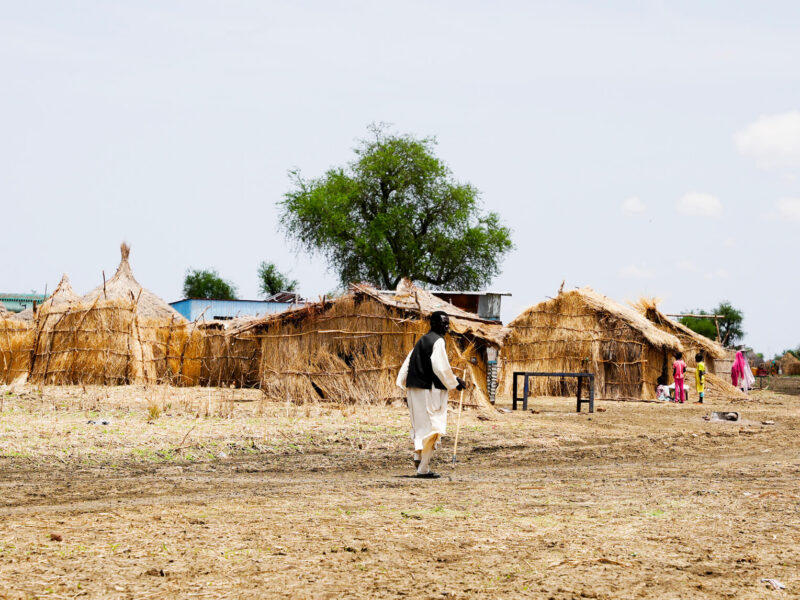
Article Summary Dr. Selma Saadeldeen is a dedicated physician and humanitarian leader who works in war-torn Sudan. As a child, her best friend and neighbour died because she was unvaccinated and there were no nearby healthcare facilities. Working at International Medical Corps, Dr. Saadeldeen has helped strengthen local health facilities, support mobile health and nutrition …

Continue Reading

Story

Where Water Flows, Health Follows

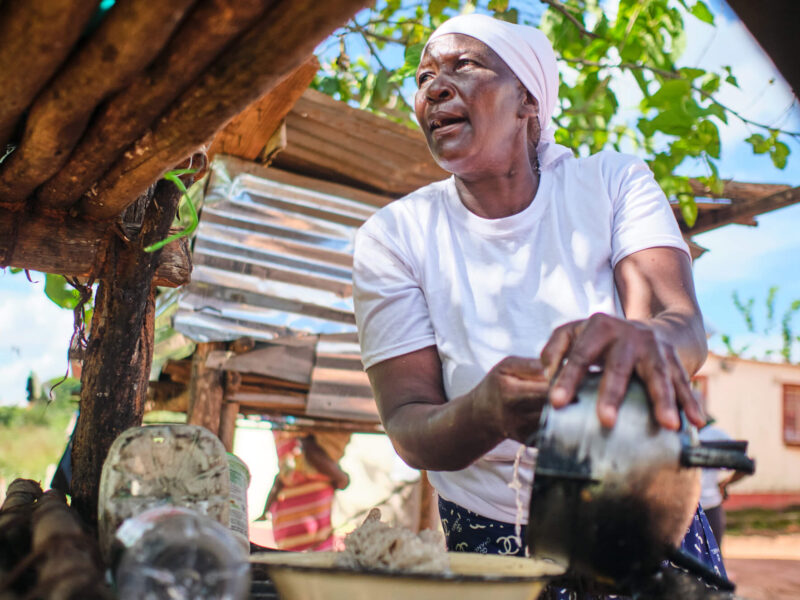
Good health cannot exist without clean water. In Zimbabwe, International Medical Corps is making sure that the two interrelated needs are met—by first ensuring that communities have access to clean water, and can maintain that access. From there, good health can follow. Zimbabwe is facing significant water, sanitation and hygiene (WASH) challenges. From December 2025 …

Continue Reading

Story

June Snapshots 2026

Partnering with the US Government to Stop the Spread of Ebola in Central Africa When an outbreak of infectious disease happens, communities are often unprepared. After an outbreak of Ebola was declared in the Democratic Republic of the Congo (DRC) in mid-May, many health facilities had to be adapted to screen and treat patients—and some …

Continue Reading

Story

The Fight Against Cholera in Nigeria

On May 1, the first case of acute watery diarrhoea (AWD)—a telltale symptom of cholera—was reported in the local government area (LGA) of Maiduguri Metropolitan Council, in Borno State in northeastern Nigeria. Since then, cholera has spread into 18 LGAs and has caused nearly 15,000 cases and 115 deaths. Cholera is a bacterial disease that’s …

Continue Reading

Story

What Is Cholera and How Do We Fight It? Here’s What You Need to Know

Though cholera is a severe and sometimes deadly disease that can spread rapidly and devastate communities, it is also preventable and treatable. Quick access to healthcare, safe drinking water, proper sanitation and good hygiene practices can dramatically reduce the risk of transmission—and save lives. Below, we answer some of the most common questions about cholera, …

Continue Reading

Story

The Battle Against Ebola—and Misinformation

As Ebola virus disease sweeps through the Democratic Republic of the Congo (DRC) and the surrounding region, healthcare workers aren’t just battling a deadly virus strain with a mortality rate of up to 50%. Misinformation, rumours and skepticism unfortunately are also spreading rapidly across central Africa, putting the lives of community members, patients and healthcare …

Continue Reading

Page: