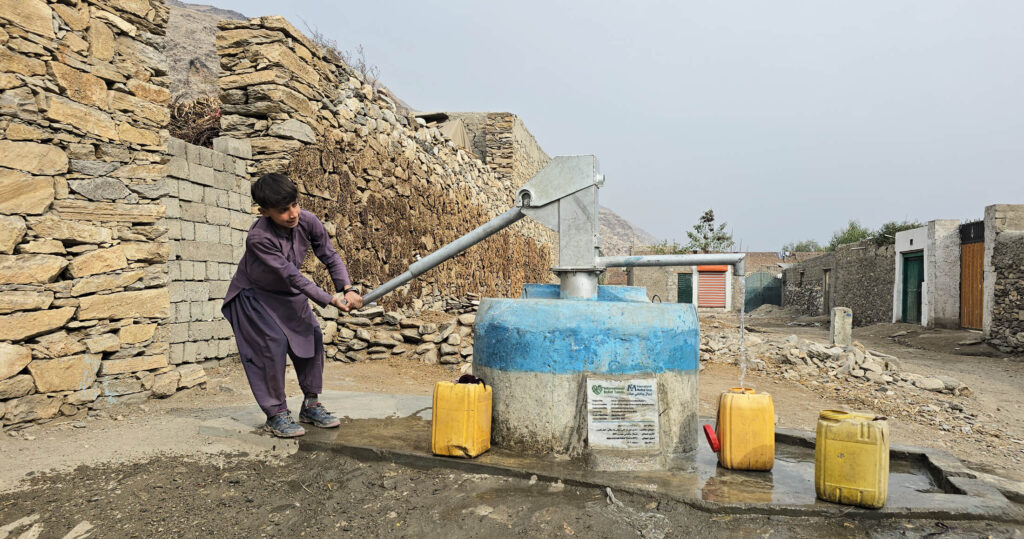
In rural communities across Afghanistan, limited access to modern water, sanitation and hygiene (WASH) supplies continues to put families at risk of preventable diseases. In eastern Afghanistan’s Kunar province, these challenges are especially acute in remote villages affected by earthquakes and years of instability. Without clean, safe water, everyday tasks like drinking, cooking and caring for children can quickly become dangerous.
“Our WASH programming is holistic,” explains Syed Yasir Ahmad, Senior WASH Advisor with International Medical Corps. “We address urgent needs in the immediate aftermath of a disaster by providing clean water and sanitation services, distributing non-food items such as hygiene kits and delivering essential materials. We also pursue long-term objectives by rehabilitating or constructing reliable water and sanitation infrastructure, such as water supply systems and latrines—and by training local leaders to promote hygiene awareness and best practices.”
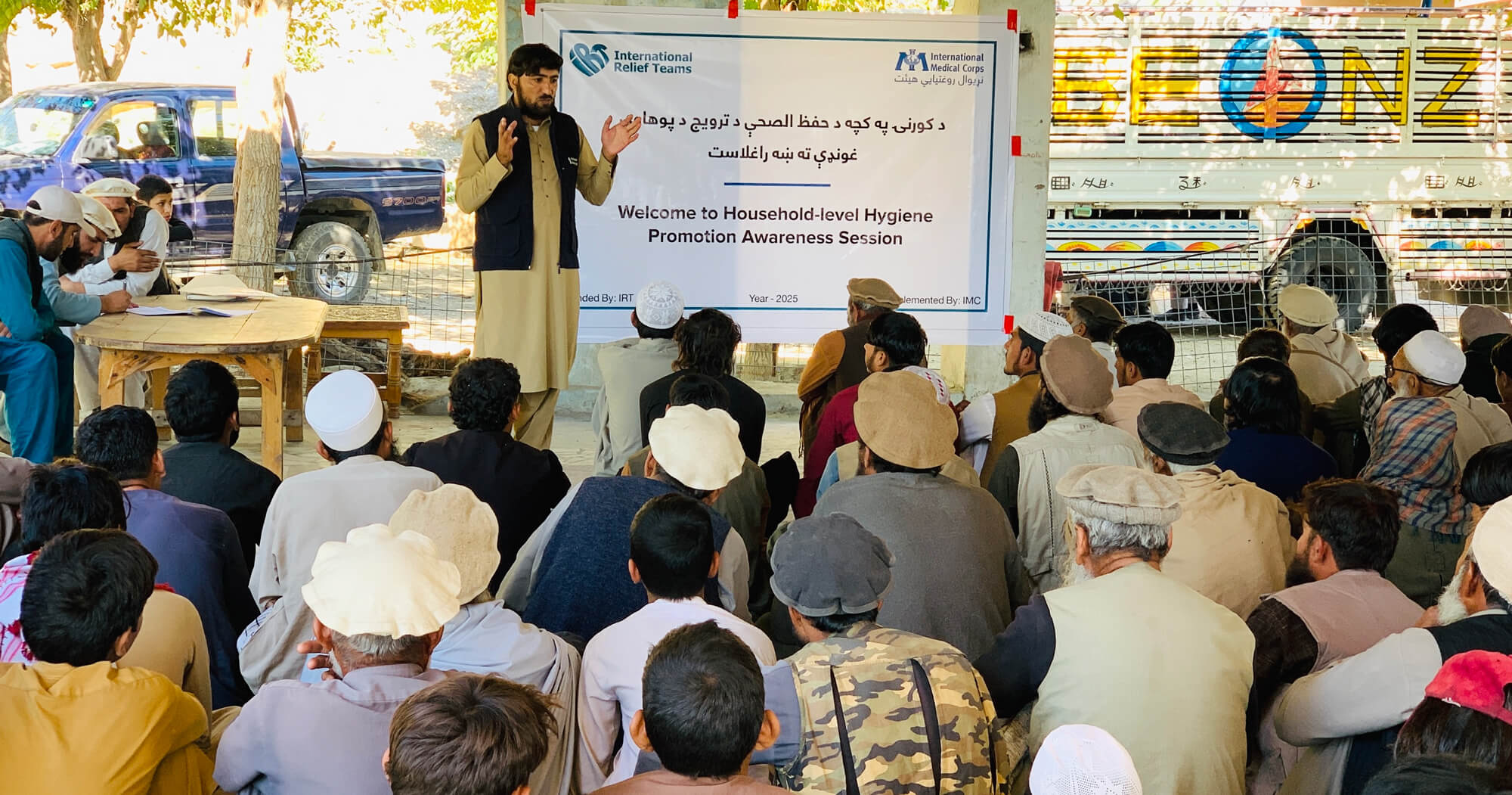
International Medical Corps recently completed a project to help three villages in Chawkay district, Kunar province. Our teams rehabilitated five earthquake-damaged wells, distributed essential hygiene supplies and spearheaded hygiene education programs, working closely with local communities to ensure that these efforts led to sustainable change.
A Clean Start After the Earthquake
Farid, a 30‑year‑old father of four from Kar Khadi Khil village, remembers how difficult life became after an earthquake damaged his family’s home. Cracks spread across the walls, many belongings were destroyed and his family suddenly found themselves without even the most basic hygiene items.
“We didn’t have soap or clean containers anymore,” Farid recalls. “The children were getting sick, and it became hard to keep things clean.”
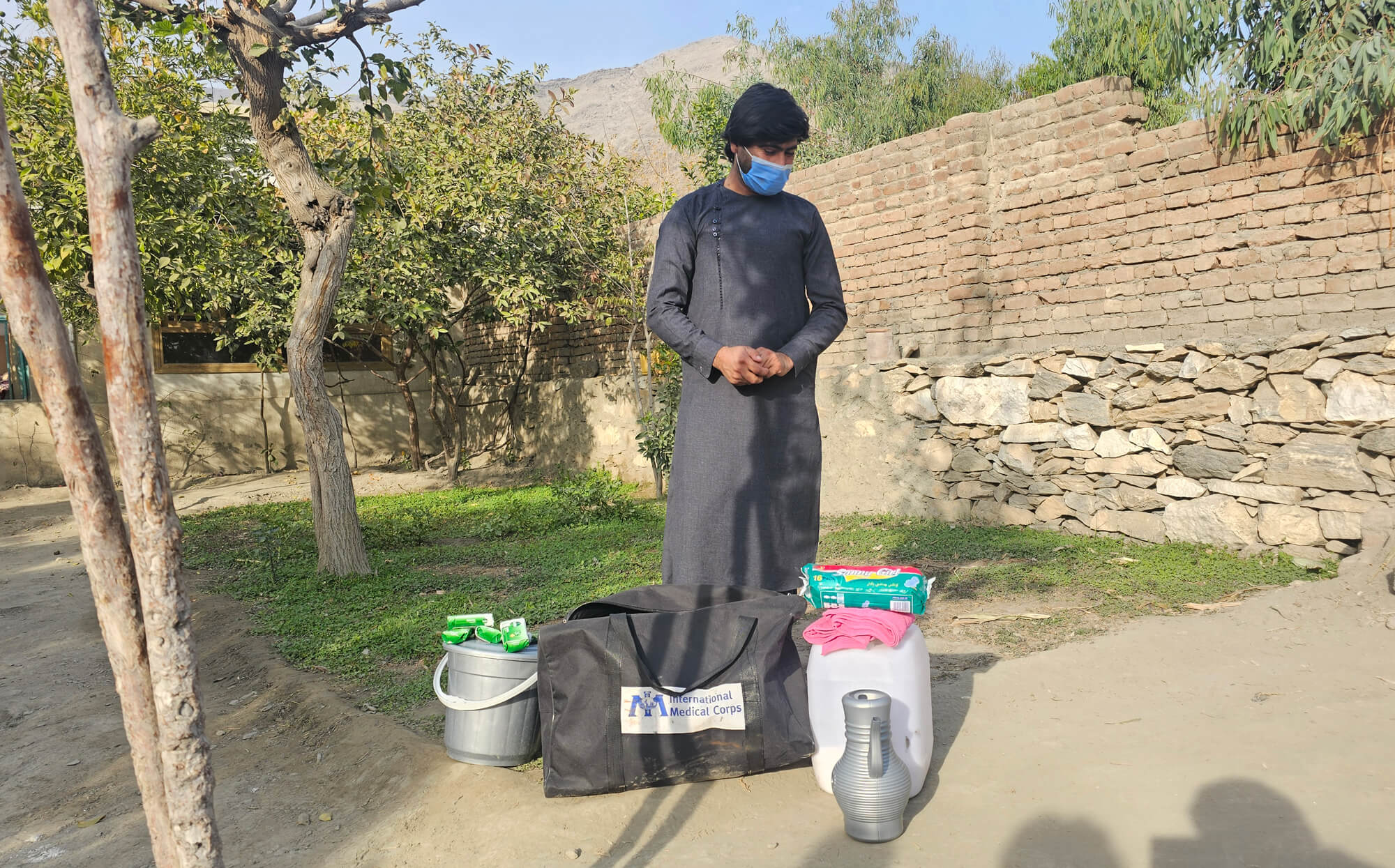
Relief arrived when International Medical Corps’ WASH team reached his village to distribute hygiene kits to families affected by the disaster. The kits included soap, toothbrushes and toothpaste, sanitary materials, buckets, jerrycans, towels and liquid chlorine—items that enabled families to restore safe hygiene practices immediately.
For Farid, the water containers and chlorine were especially important, as local water sources had become unsafe after the earthquake. “With these items, we could clean the house, wash our clothes again and store water properly. The liquid chlorine made us feel safe drinking water during those initial difficult times,” he explains.
Families across the village also benefited in the same ways. Parents reported fewer cases of diarrhoea among children, and households that had lost nearly everything began to regain a sense of normalcy.
“These kits protected my children from getting sick,” Farid says. “At a time when we had lost almost everything, this help meant a lot. It gave us a clean start and the strength to move forward.”
Driving Lasting Change in the Community
Though emergency supplies provide immediate protection, sustainable improvements in health depend on lasting behaviour change. To support this, International Medical Corps works with community hygiene promoters—local volunteers trained to share practical, culturally appropriate guidance on hygiene and sanitation.
One of those promoters is Mosafar, a 38‑year‑old from Chinari village. Before joining the programme, Mosafar served as chairman of his community development council, where he saw first-hand how poor hygiene practices contributed to frequent outbreaks of diarrheal disease, particularly among children.
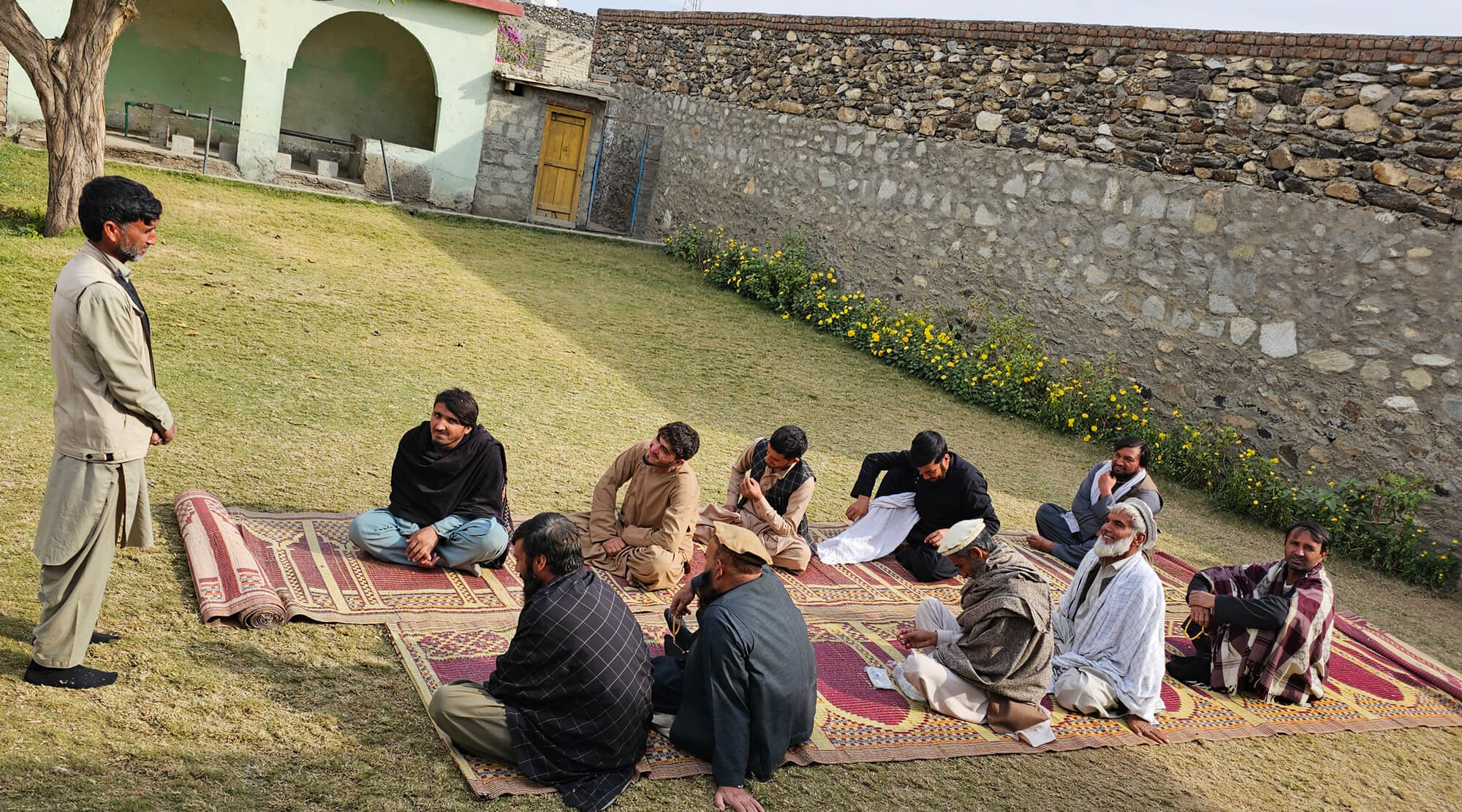
When International Medical Corps began recruiting community hygiene promoters, Mosafar volunteered without hesitation.
After being trained by our WASH team, Mosafar began leading hygiene promotion sessions in his village. During household visits and group discussions, he teaches proper handwashing, safe water handling, food hygiene, latrine use and solid-waste management, using visual materials provided by International Medical Corps.
Each week, Mosafar conducts sessions with men, children and village elders, adapting his approach to each audience. With children, he uses stories and demonstrations to show how handwashing with soap can prevent illness. With adults, he discusses how contaminated water spreads disease, and demonstrates safe storage methods using locally available materials.
“When people see how a simple act like washing hands with soap can save a child’s life, they become eager to adopt the behaviour,” Mosafar explains.
Healthier Habits, Stronger Communities
Thanks to efforts like these, communities in Chawkay district are seeing meaningful improvements. More households now keep soap available at handwashing stations, latrine use has increased and open defecation has declined. Just as importantly, families are gaining the knowledge and confidence needed to protect their health long after an emergency has passed.
Additionally, by working with trained local volunteers like Mosafar, International Medical Corps ensures that support is rooted in the community and responsive to local needs, making it more sustainable.
“I feel proud when people tell me their children have been healthy since they started practising good hygiene,” Mosafar says. “It motivates me to continue learning and helping my community.
Through integrated WASH interventions that combine immediate relief with community‑driven education, International Medical Corps helps families in rural Kunar rebuild healthier, safer lives—restoring not only health, but dignity and hope for the future. Learn more about our work in Afghanistan.