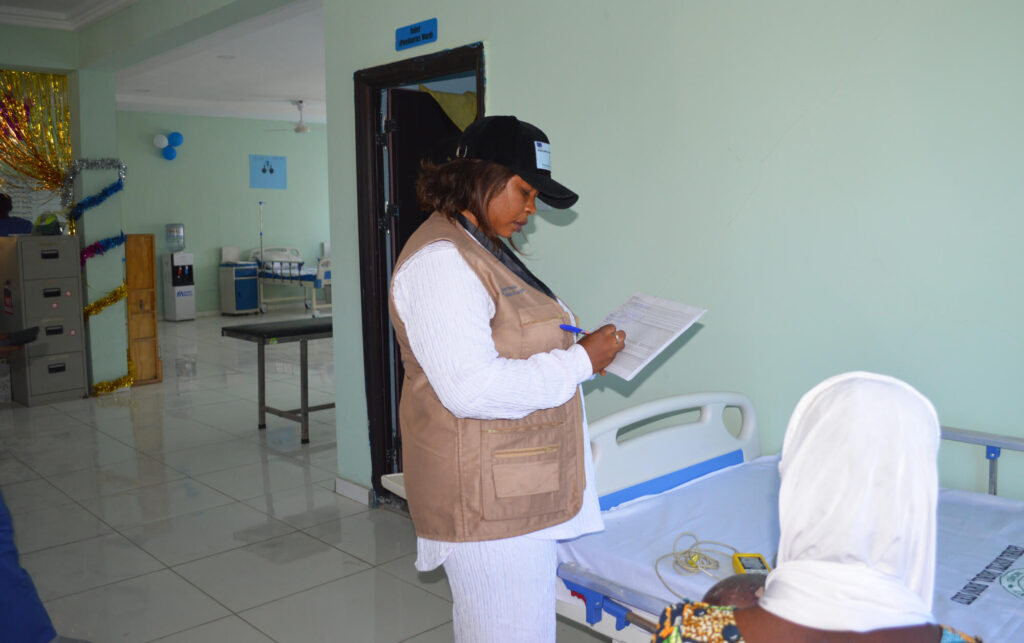
In northern Nigeria, sisterhood is sacred. If one sister dies during childbirth or soon after giving birth, another often adopts her newborn niece or nephew. It’s a common cultural practice that maintains family bonds and preserves the memory and motherly love of the lost sister through the bond formed between aunt and child. I know this because I adopted my nephew when I lost my sister, Aisha.
It is especially important to maintain this practice in northern Nigeria, which is experiencing its worst nutrition crisis in nearly 16 years, and where more than 6 million children face acute malnutrition. For years, families in Damboa, a major city in Borno State, have struggled to access reliable healthcare amid ongoing conflict and the collapse of essential health infrastructure. Nearly 20% of the population in Damboa is malnourished, and more than 11% of pregnant and breastfeeding women suffer from acute malnutrition. Across Damboa and surrounding areas, armed conflict creates displacement, access to nutritious food is limited, sanitation is inadequate and many mothers struggle to provide for themselves and their families.
Although I have been fortunate to avoid some of these challenges, I see much of my own story reflected in the experiences of two mothers whom International Medical Corps supported with lifesaving care in recent months.
Kolo and Muhammad
Kolo Ali adopted her infant nephew, Muhammad, almost immediately after his birth. He lost his mother during labour, so Kolo cared for him as she would her own child.
Living in poverty after fleeing her home due to armed conflict, Kolo could neither access nor afford baby formula. Having recently weaned her own child, she was able to breastfeed Muhammad, but because she herself lacked adequate nutrition—often skipping meals and subsisting mostly on grains—her milk was insufficient for the 14 month old.
Muhammad was already small at birth. Without the nutrients essential for healthy development, his fat and muscle began to deteriorate. One morning, he lay so still that Kolo feared he had died—until she saw his shallow breathing.
Kolo lives in Komdi, a remote community in Chibok local government area (LGA), with limited access to medical care. Knowing that Damboa—which has a hospital—was an eight-hour walk away, she persuaded a friend to take them part of the way by bicycle. When the ride ended halfway, she walked the remaining 20 kilometres to reach Damboa General Hospital, which International Medical Corps supports with supplies, staff, equipment, training and lifesaving care.
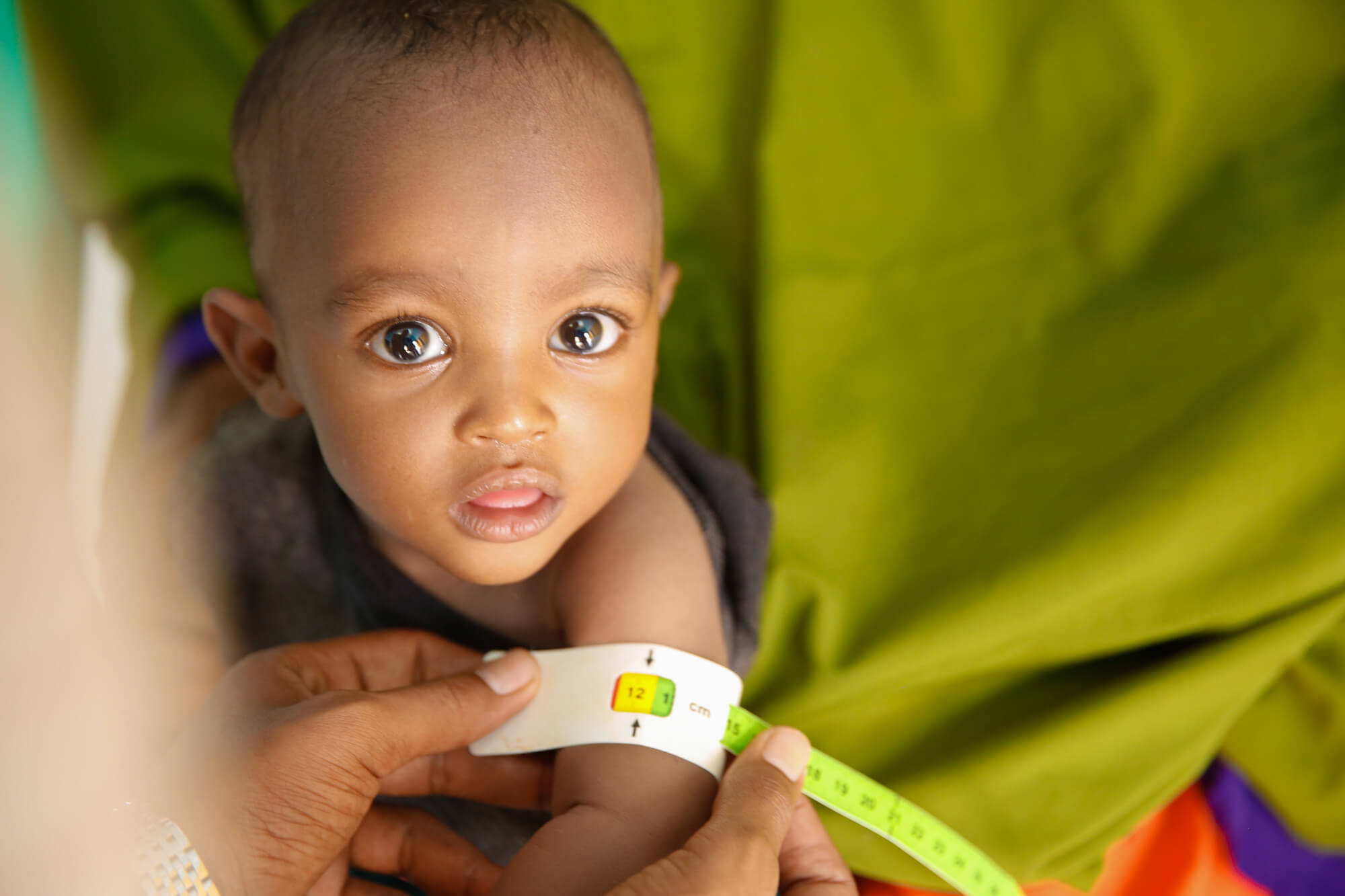
Our team immediately admitted Muhammad and conducted an assessment. His middle upper-arm circumference (MUAC)—a key indicator of child nutrition—confirmed severe acute malnutrition (SAM). Further testing revealed that he also had malaria. Our team immediately began treatment.
Within days, additional complications emerged, including temporary paralysis of the intestinal muscles, which caused bacterial overgrowth and severe abdominal distension. Because this was beyond the hospital’s capacity, our team referred him to the University of Maiduguri Teaching Hospital (UMTH), also supported by International Medical Corps. Within five days, his condition stabilised, and he returned to Damboa.
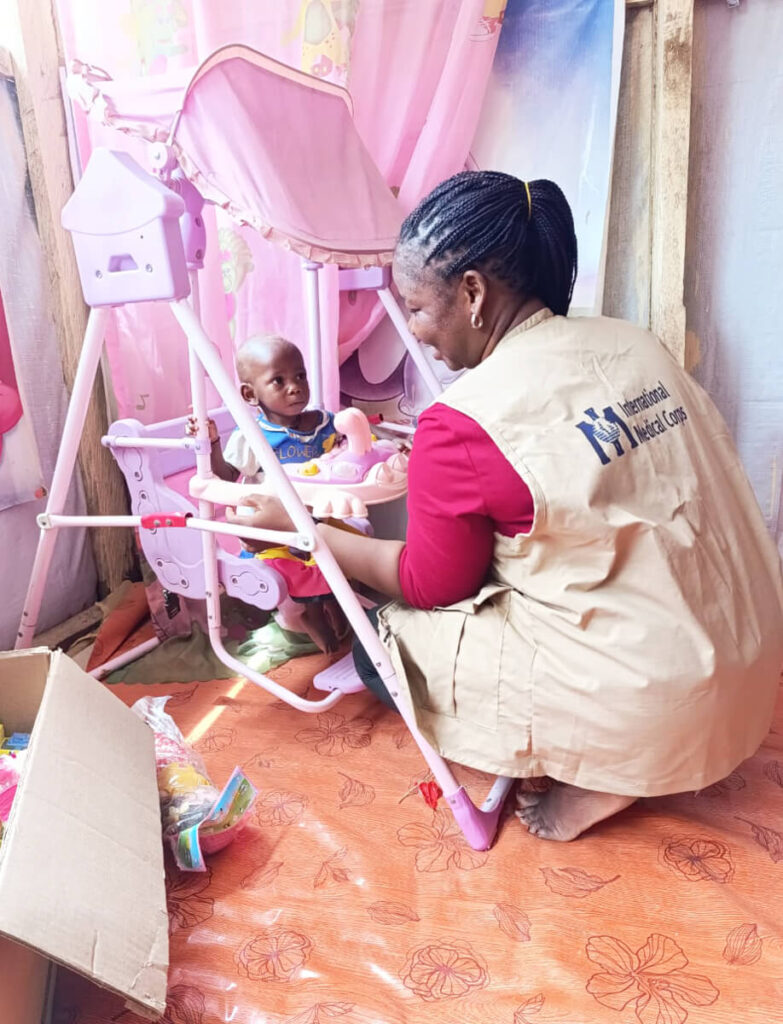
After his return, Muhammad’s condition improved steadily. Initially lethargic and disengaged, he became active and joyful—playing with toys, interacting with other children and asking staff for snacks. His sleep patterns normalised, signalling his recovery was on track.
Meanwhile, Kolo received three nutritious meals each day while at the hospital, enabling her to produce more-nourishing breastmilk. She also received hygiene kits with detergent and antiseptics, to help maintain sanitation at home.
After discharge, Kolo and Muhammad were enrolled in a therapeutic nutrition programme. She received nutrition counselling and a travel stipend to return home safely. Kolo was eager to apply what she had learned about hygiene and child nutrition.
Salamatu and Suleiman
Salamatu Musa lost her sister two months after she gave birth to her son, Suleiman. Like Kolo, Salamatu adopted her nephew and cared for him as her own.
Living in a camp for internally displaced persons (IDPs), Salamatu faced immense challenges. She had no prior childcare experience, limited access to nutritious food and no access to breastmilk. Suleiman’s condition deteriorated, and he became malnourished.
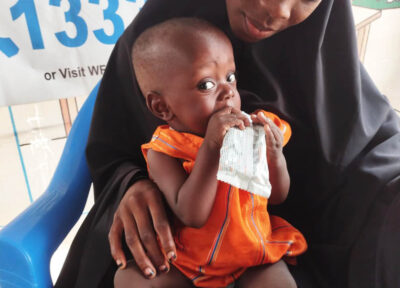
During routine rounds, International Medical Corps community health worker Yerima Malami identified Suleiman’s condition by measuring his MUAC, which indicated moderate acute malnutrition (MAM). He referred Suleiman to a targeted supplementary feeding programme (TSFP) in the Damboa IDP camp.
There, Suleiman received the treatment he needed. At the same time, trained community health workers supported Salamatu—listening to her concerns, teaching her how to prepare nutritious meals using locally available foods and demonstrating appropriate feeding practices tailored to Suleiman’s needs.
Salamatu also received one-on-one nutrition counselling and joined a mother to mother support group. Through these connections, she found emotional support, confidence and a sense of belonging.
After six weeks, Suleiman fully recovered and was discharged. Our support continued through follow-up visits, additional therapeutic food and ongoing guidance, to ensure he remained healthy.
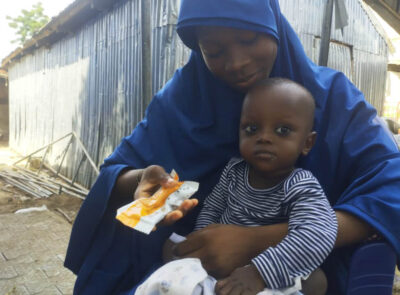
“The home visits and follow-ups were crucial,” Salamatu says. “They helped me understand how to care for Suleiman and gave me the confidence to keep going. I’m so grateful for the support. Suleiman is thriving, and I’ve learned so much.”
Hope for the Mothers of Damboa
For mothers like Kolo and Salamatu—and for me as an adoptive mother—hope comes not only from the futures we see in the children we raise, but from knowing that lifesaving care is within reach when we need it.
Expectant mothers face significant risks during childbirth and depend on timely, skilled care for survival. That is why the newly constructed Damboa General Hospital marks a turning point for families in Borno State. For mothers raising adopted children in uncertain conditions—and for pregnant women concerned about complications—the hospital brings reassurance by placing quality care closer to home.
With support from the European Union, International Medical Corps is helping the hospital flourish through donations of essential equipment and the training of staff. By improving service quality and strengthening referral pathways, we are helping to ensure that families who previously travelled long distances for care now have access to a fully equipped facility in their community.
Mothers and children can now access timely, high-quality care—preventing deaths and creating safer beginnings. While challenges remain, these efforts are laying the foundation for a healthier, more resilient future for the people of Damboa.
International Medical Corps has worked in Nigeria since 2013. The ongoing conflict in the northeast continues to fuel one of Africa’s most significant humanitarian crises. Amid the fighting, more than 8.4 million people need lifesaving assistance and more than 2.3 million are internally displaced. Our teams deliver programs addressing health, nutrition, violence against women and girls, food security, livelihoods, and water, sanitation and hygiene.