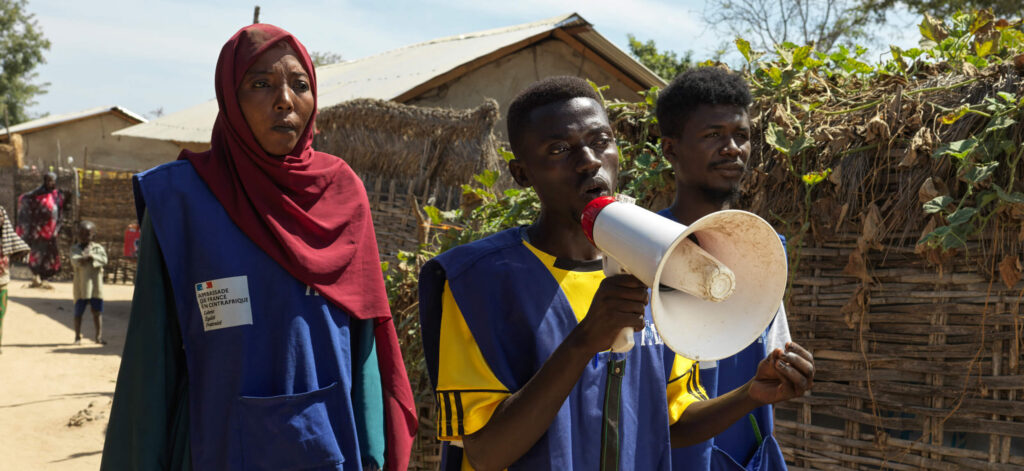
Though cholera is a severe and sometimes deadly disease that can spread rapidly and devastate communities, it is also preventable and treatable. Quick access to healthcare, safe drinking water, proper sanitation and good hygiene practices can dramatically reduce the risk of transmission—and save lives. Below, we answer some of the most common questions about cholera, including how it spreads, who is most at risk, what is driving the current outbreaks and what humanitarians are doing to stop them.
What Is Cholera?
Cholera is an acute diarrheal disease that the bacteria Vibrio cholerae causes when it colonizes the small intestine. Most Vibrio cholerae consumed orally die in stomach acid, but those that survive can multiply and secrete a toxin that causes severe diarrhea to replicate and spread the infection.
What Are the Symptoms of Cholera? Is It Deadly?
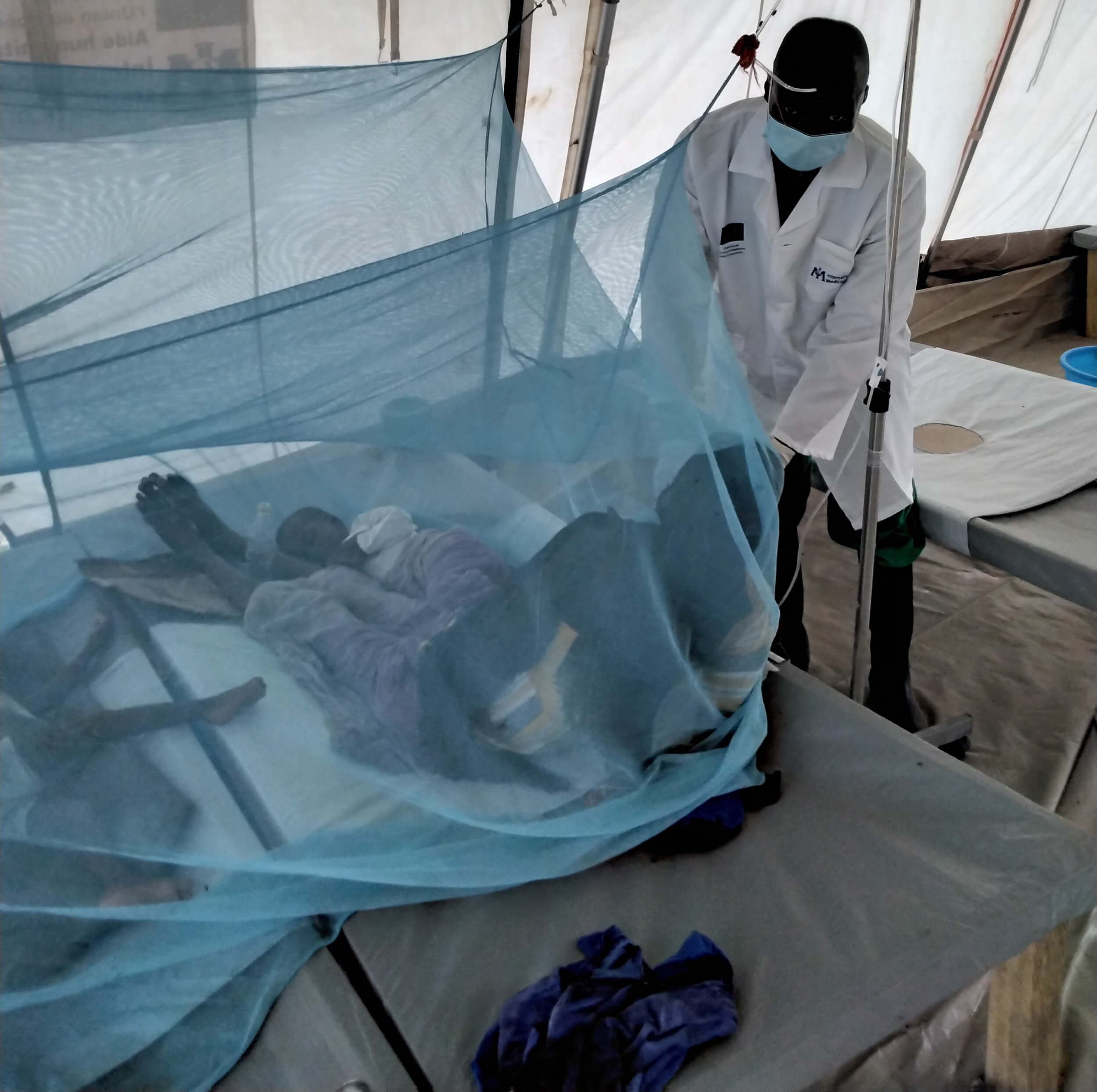
Common symptoms of cholera are acute watery diarrhea and vomiting, which cause people to lose large amounts of fluid in a short space of time. The resulting severe dehydration can lead to kidney failure and death.
With proper treatment, almost everyone infected with cholera can recover quickly. Without treatment, severe cases can kill in just a few hours.
Children under the age of 5 are at higher risk of dying from cholera, especially if their immune systems are weakened due to malnutrition.
How Does Cholera Spread?
Cholera spreads through the fecal–oral route—when people consume food or water contaminated with Vibrio cholerae. Outbreaks are most likely to occur in overcrowded settings such as refugee camps and host communities where access to safe drinking water, sanitation and hygiene (WASH) is limited.
Who Is Most at Risk of Getting Cholera?
People living in conditions with insufficient WASH services are more likely to contract cholera. Globally, Sub-Saharan Africa, South Asia and Southeast Asia report the most cases each year.
In eastern Chad, for instance, some refugees rely on water from vendors who obtain it from untreated sources, such as wells or traditional boreholes. Refugees, returnees and host-community members often have no alternative but to use stagnant water to wash dishes and clothes.
In their cramped living conditions, children in Cameroon’s refugee camps sometimes play in water contaminated with sewage and wastewater, conditions that make it easier for cholera to spread from person to person through contaminated food and water. Meanwhile, environmental factors such as rising temperatures increase water alkalinity, salinity and warmth—all of which create an ideal environment for the Vibrio cholerae bacteria to survive.
Prolonged armed conflict and extreme weather events also can displace communities into areas where overcrowding occurs and many people lack access to safe water and sanitation facilities, increasing the risk of a cholera outbreak.
How Can Cholera Be Treated?
In a humanitarian context, health workers treat cholera patients based on the severity of their dehydration. Patients with mild to moderate dehydration receive a therapeutic mixture of clean water, salt and sugar that replenishes the water and electrolytes they lost through diarrhea. Patients with severe dehydration must receive lifesaving fluids intravenously.
To contain the spread of the disease, doctors in humanitarian settings often establish cholera treatment centers where staff members follow infection prevention protocols to minimize the spread of cholera.
Is There a Vaccine for Cholera?
There are several safe oral cholera vaccines available: one licensed by the US Food and Drug Administration and three others pre-qualified by the World Heath Organization for international use.
How Do Contemporary Outbreaks Compare to Past Outbreaks?
The first recorded cholera outbreak in 1817 spread across the globe, causing seven pandemics—including the current one—and killing millions. Today, modern medicine has reduced cholera’s inherent lethality, but conflict, extreme weather and widespread displacement have led to an increase in numbers and deaths in recent years.
How Does International Medical Corps Stop Cholera Outbreaks?
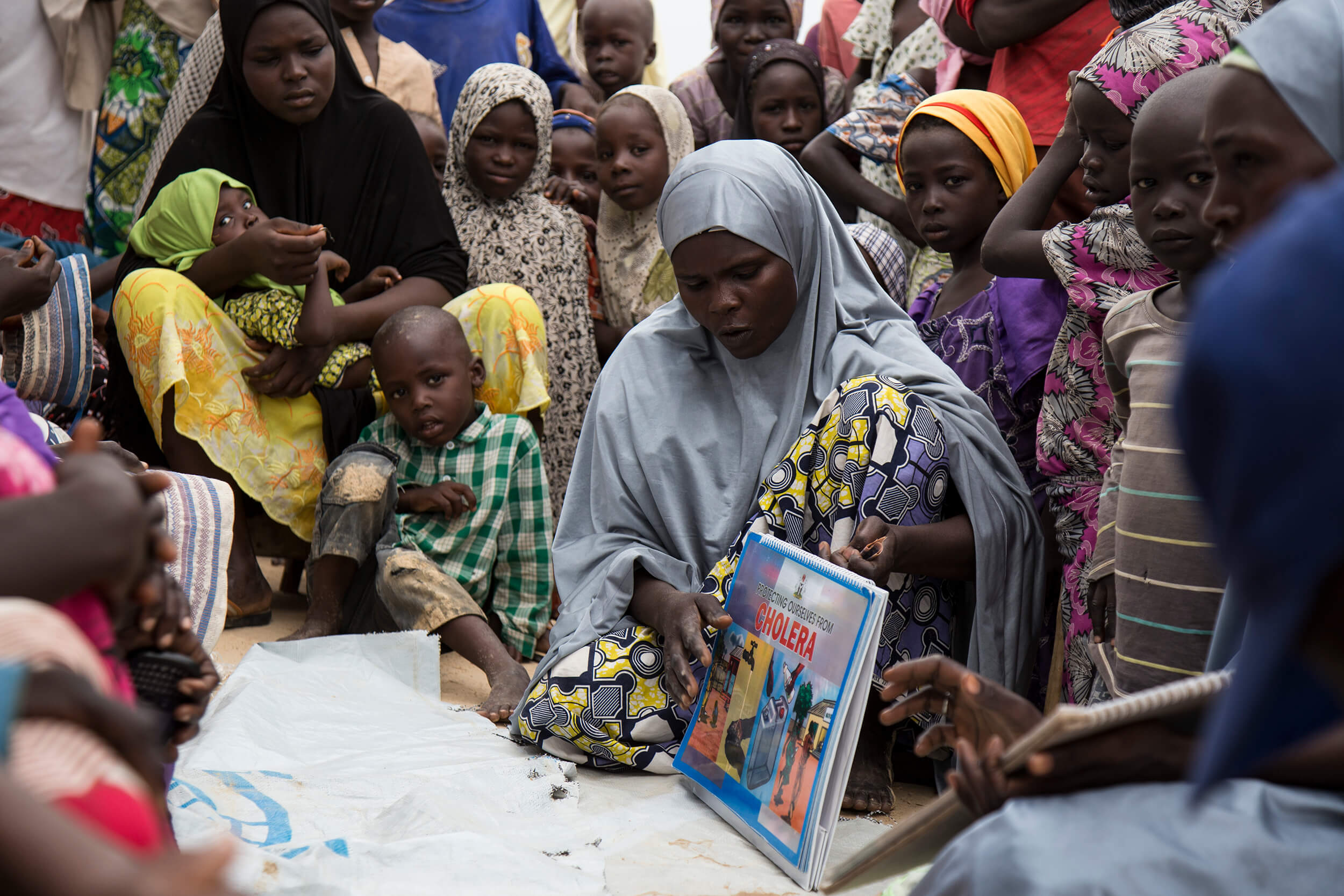
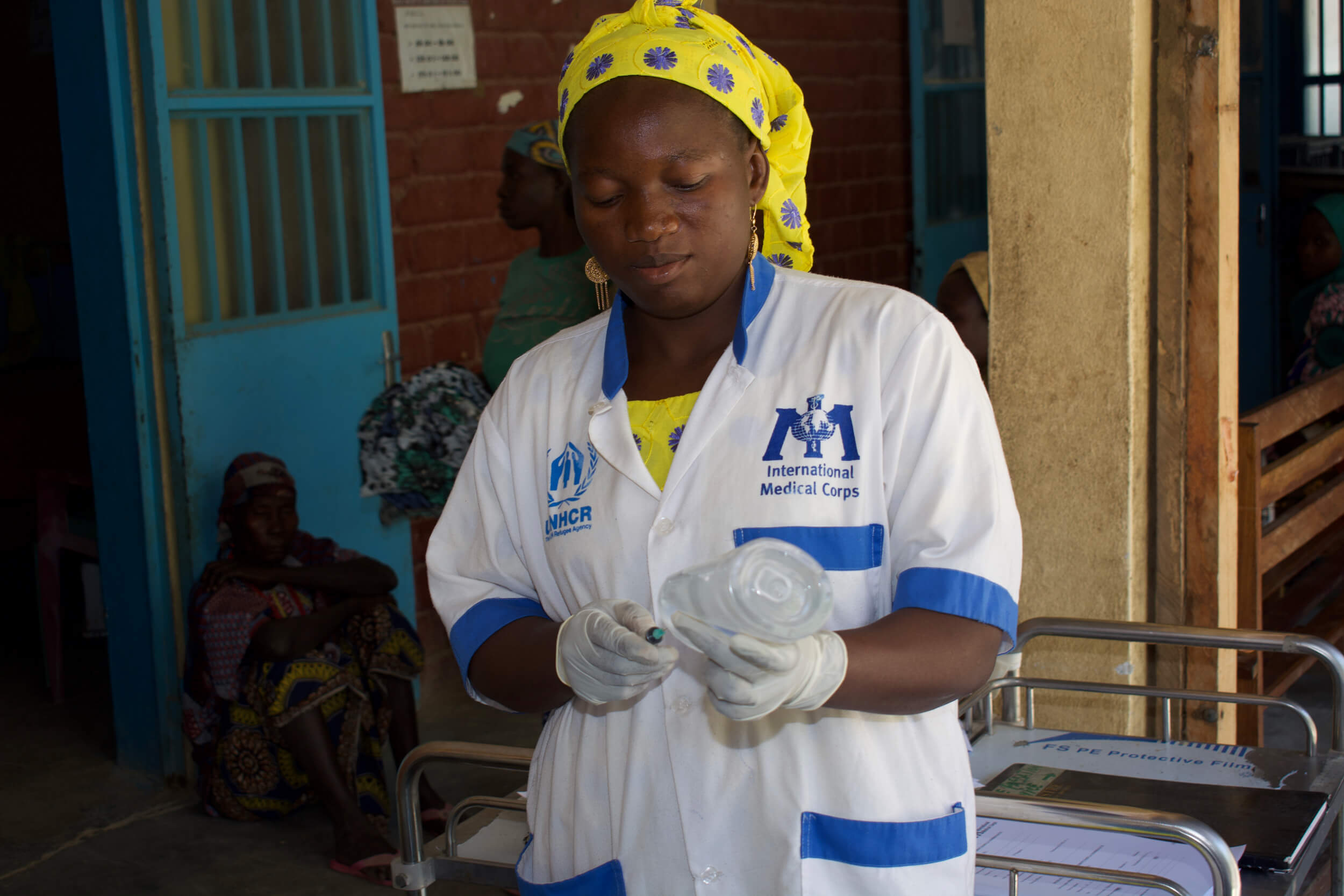
International Medical Corps trains community health workers who educate communities on symptoms of the disease, as well as appropriate hygiene measures. Our teams also train healthcare workers to recognize the signs and symptoms of cholera early, as well as how screen patients and start treatment while using personal protective equipment and other measures to minimize the risk of transmission.
We also work with local health authorities to:
- identify and isolate cases early;
- conduct contact tracing, to determine potential exposure of others;
- provide case management and other medical care; and
- educate communities about the risks of cholera and how to prevent it.
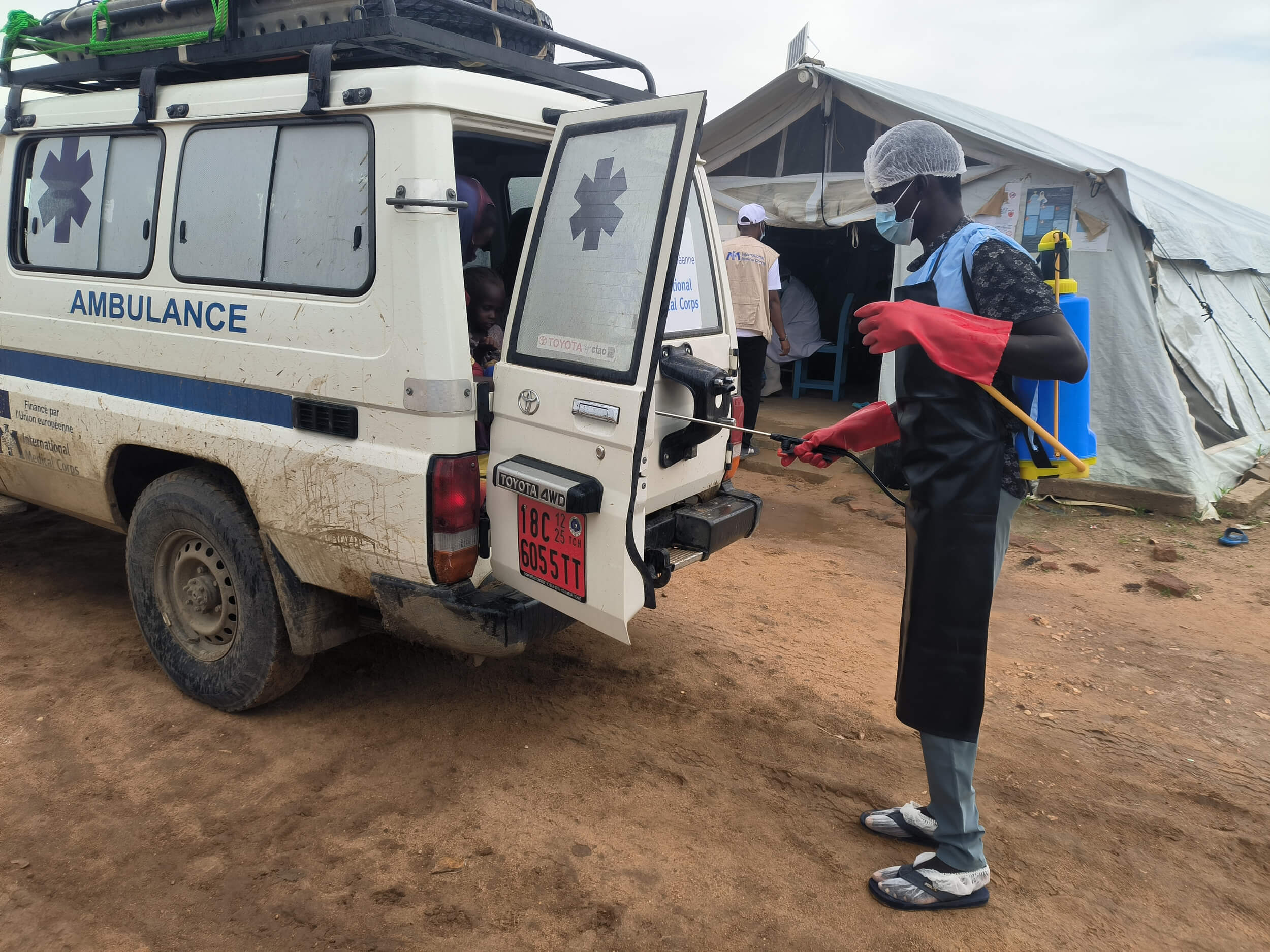
International and national authorities, local health agencies and workers, and international humanitarian organizations such as International Medical Corps are working together to protect affected communities and neighboring regions.
Read about these interventions in action in Cameroon and Chad:
- How Healthcare Teams Respond When a Disease Outbreak Tests a Cameroon Refugee Camp
- From Crisis to Control: Combating Cholera in Chad
How Do We Prevent Cholera Outbreaks Before They Start?
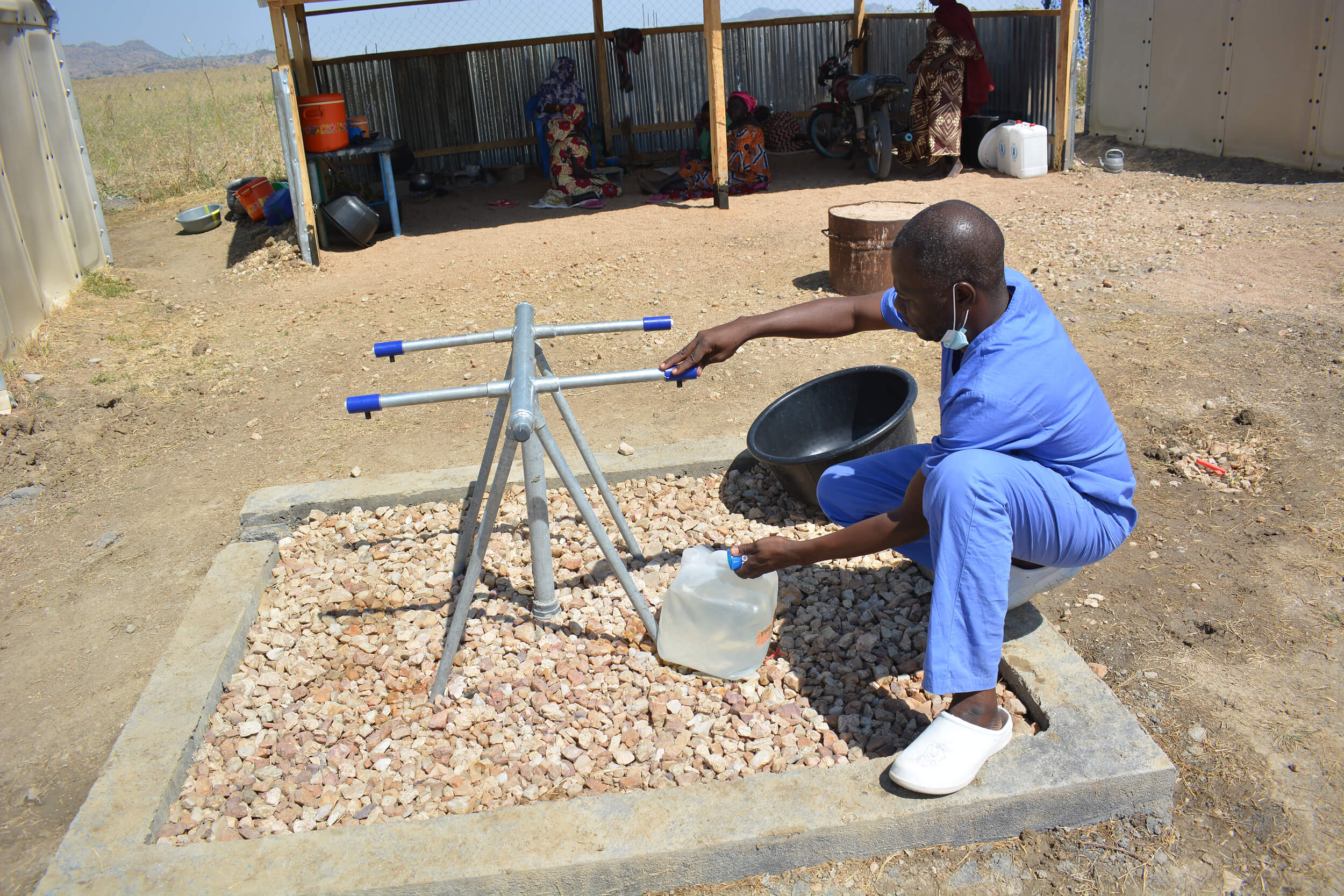
Ensuring that communities have safe drinking water is one of the most effective ways to prevent a cholera outbreak. Humanitarian workers and the communities we serve help to ensure access to safe drinking water and reduce the risk of cholera outbreaks by:
- protecting water sources from contamination;
- ensuring that latrines are located a safe distance from water sources;
- properly maintaining latrines, to prevent contamination;
- safely disposing of human waste through improved sanitation; and
- handwashing with soap after using the toilet, and before preparing and eating food.
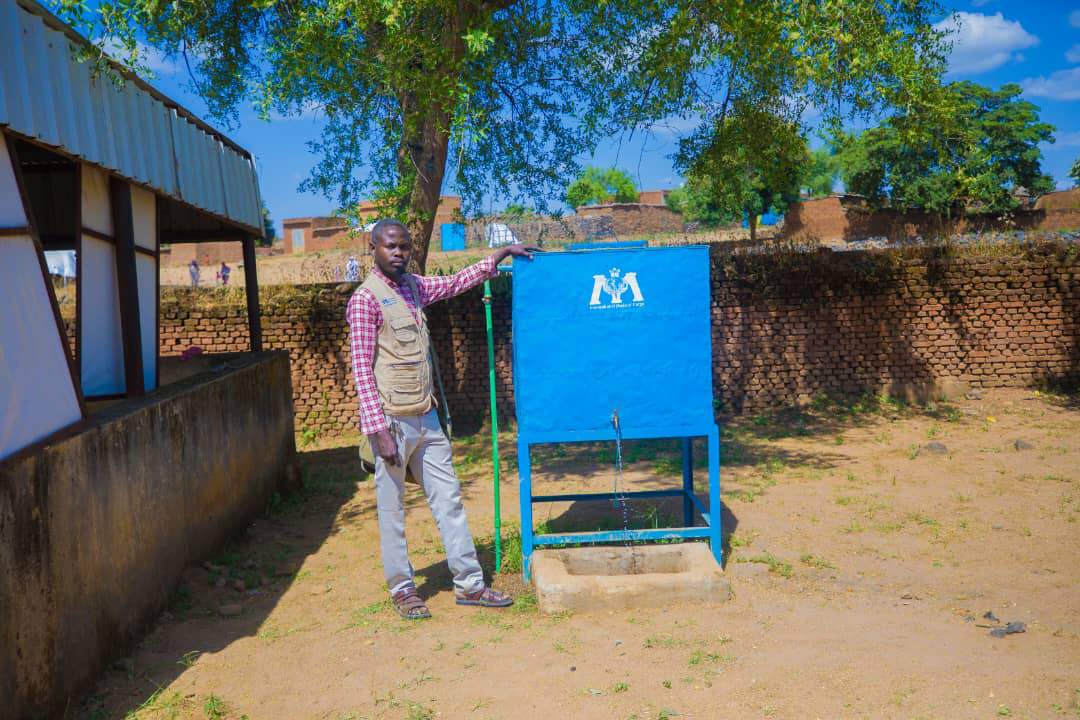
Learn more about our work to combat infectious diseases through our water, sanitation and hygiene programs.