Partnering with the US Government to Stop the Spread of Ebola in Central Africa
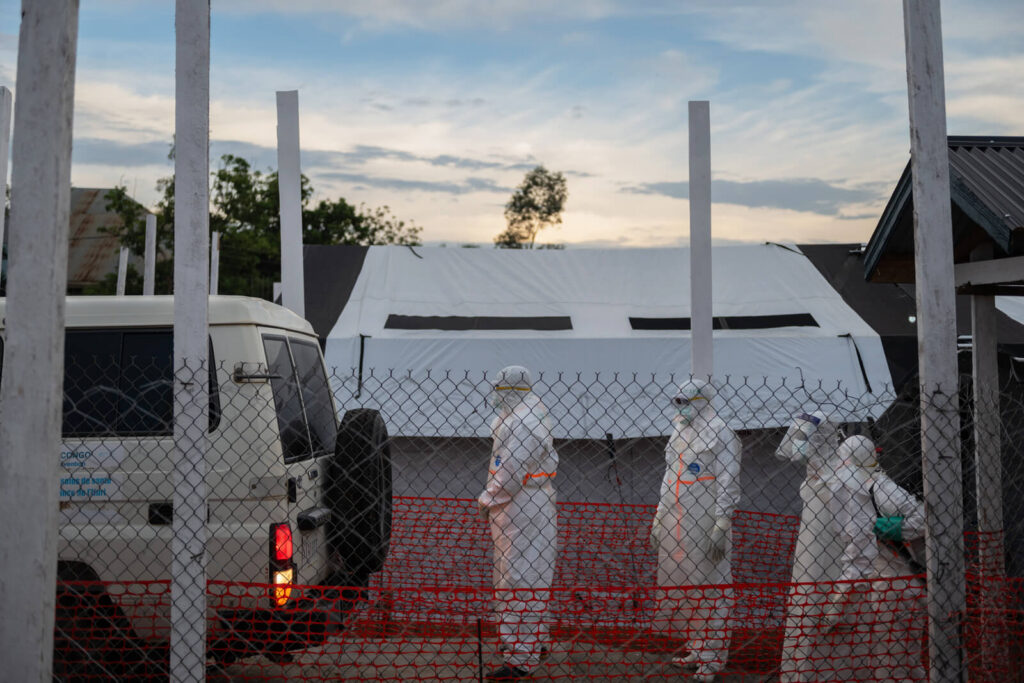
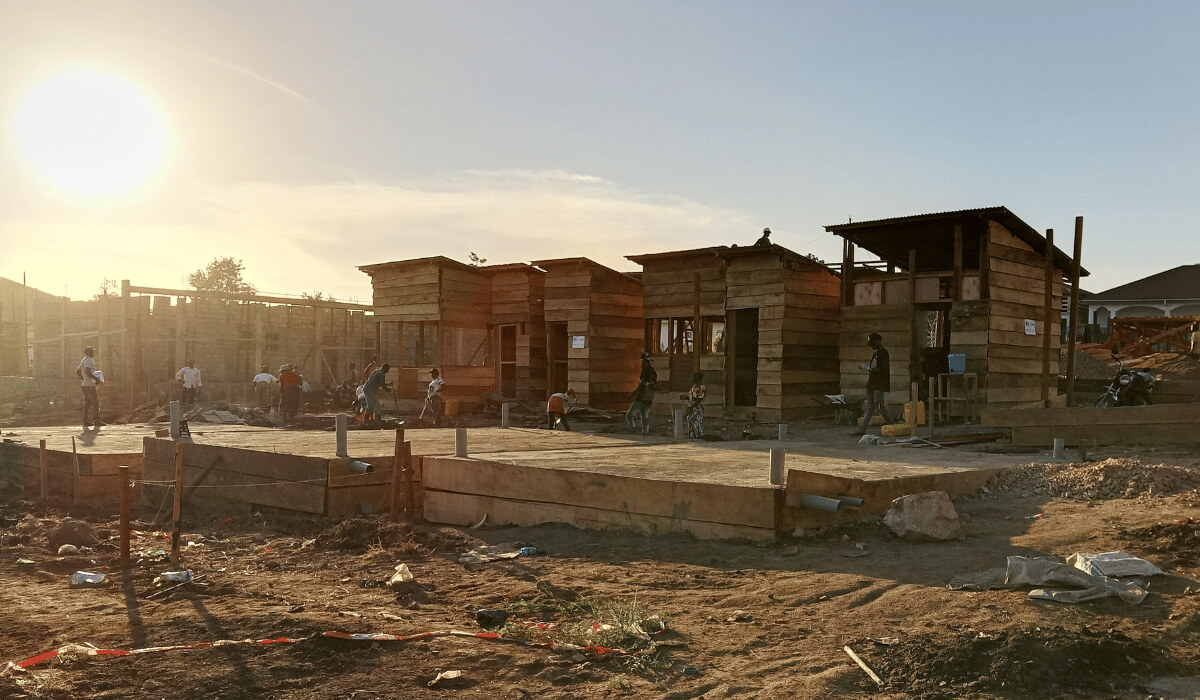
When an outbreak of infectious disease happens, communities are often unprepared. After an outbreak of Ebola was declared in the Democratic Republic of the Congo (DRC) in mid-May, many health facilities had to be adapted to screen and treat patients—and some had to be built.
With support from the US Department of State and other donors, International Medical Corps is responding by building Ebola treatment centres, transit centres, and screening-and-referral units—as well as trust and understanding within the community. Our team includes trained medical staff as well as specialists who provide support with Ebola case management, infection prevention and control, community outreach, and water, sanitation and hygiene.


Drawing on our extensive experience with Ebola, we have been coordinating our response with ministries of health and working closely with national authorities and partners. Our work includes:
- constructing and managing Ebola treatment centres, transit centres and screening-and-referral units;
- delivering medicines and supplies, such as personal protective equipment;
- helping local health facilities prepare to receive suspected cases of Ebola;
- supporting contact tracing and surveillance;
- conducting just-in-time training for health workers and community members on Ebola symptoms, risks, prevention and safety, including safe and dignified burials;
- and helping to maintain access to lifesaving services for broader healthcare needs beyond Ebola.
With the delay in initial detection, no approved Ebola vaccine or treatment, a highly mobile population—making contact tracing difficult—and an epicentre in an area experiencing civil conflict, containment has proved difficult. Confirmed cases and deaths are continuing to rise rapidly (this outbreak is the fastest-growing in history), and need is currently outpacing resources.
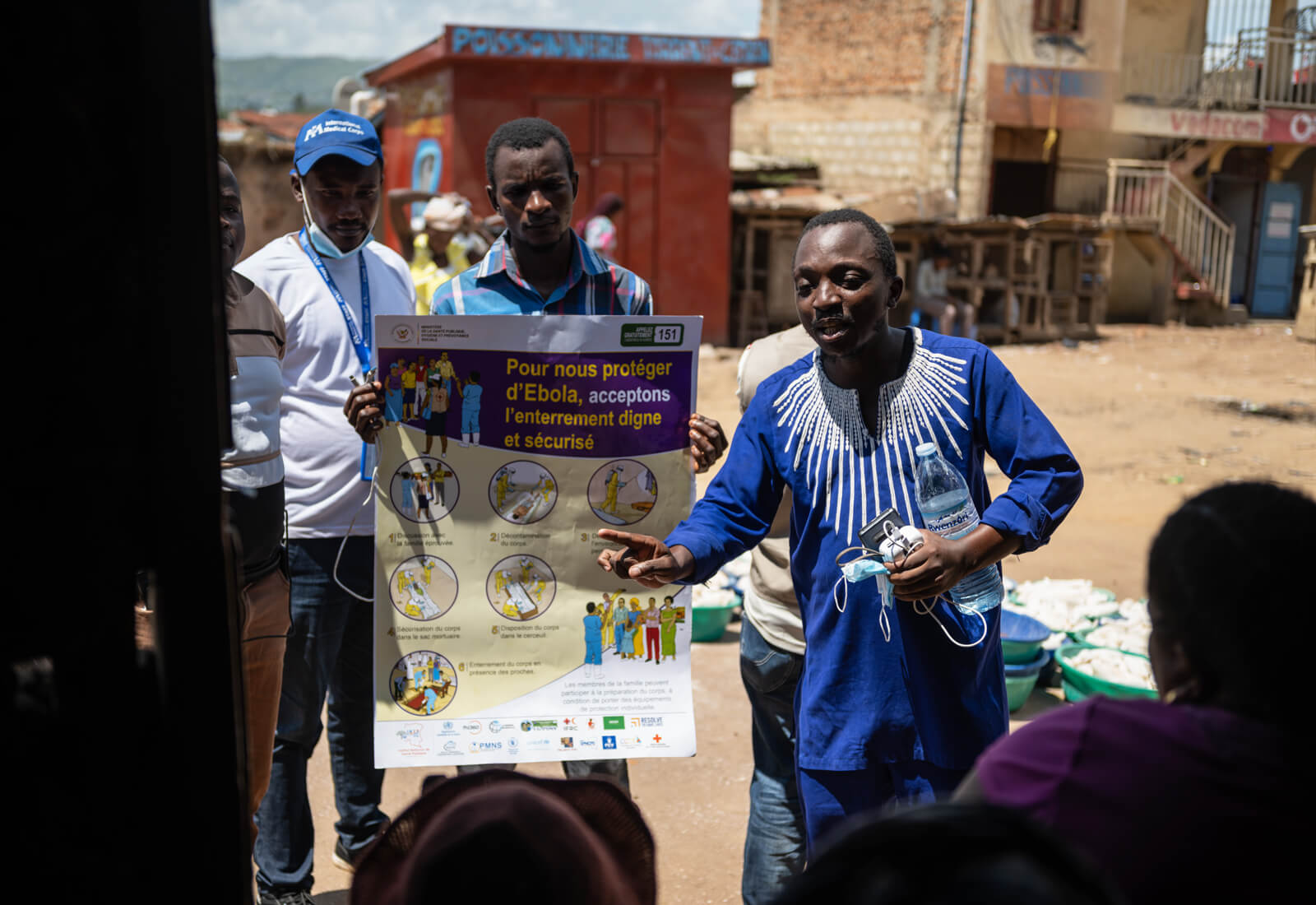
International Medical Corps is supporting Ebola preparedness, prevention and treatment across 30 health zones in the DRC, Uganda and South Sudan. We continue to work with national and local health authorities as well as humanitarian and local partners to expand our response to meet the growing demand. Learn more—including how you can help.
Providing Emergency Care and Support in Venezuela
Immediately following the massive, back-to-back earthquakes that hit north-central Venezuela on June 24, International Medical Corps’ in-country team mobilised emergency medical relief to the hard-hit region of La Guaira, including a field hospital, mobile medical units, water trucks and hygiene kits for displaced families.


Karol Bassim, who is managing our emergency response in Venezuela and was in La Guaira on the day after the quake assessing humanitarian needs, conveyed what she saw on the ground. “The level of destruction is enormous. The desperation of the people is heartbreaking. We have met people who have lost loved ones, and some who have lost their entire families. The agony is immense.”


Nearly 5,000 people have been confirmed dead (a number that is sure to rise as search-and-recovery efforts continue), more than 16,700 have been injured, more than 17,900 people have lost their homes and tens of thousands of people are still unaccounted for. Many health facilities are damaged or collapsed. Hospitals that are still functioning are overwhelmed.


In addition to two mobile medical units that can serve up to 100 patients per day, International Medical Corps has also mobilised our EMT Type 1 Fixed field hospital. The emergency medical team that staffs the hospital consists of 21 people from International Medical Corps’ emergency roster, including doctors, nurses, a midwife and specialists in WASH, logistics and security. Our field hospital is providing free medical services, including:
- triage, basic life support, first aid, stabilisation and rapid diagnostic testing;
- outpatient care, including initial wound care, basic fracture management and treatment for chronic and communicable diseases;
- basic maternal, obstetric and paediatric care; and
- mental health screening, support and referral services.
We are also supporting local health facilities with emergency hygiene kits, medicines, medical supplies and additional medical staff. Additionally, our emergency response team is providing technical support for health facilities delivering care in a large-scale disaster that has directly affected local staff, facilities, infrastructure and supply chains.
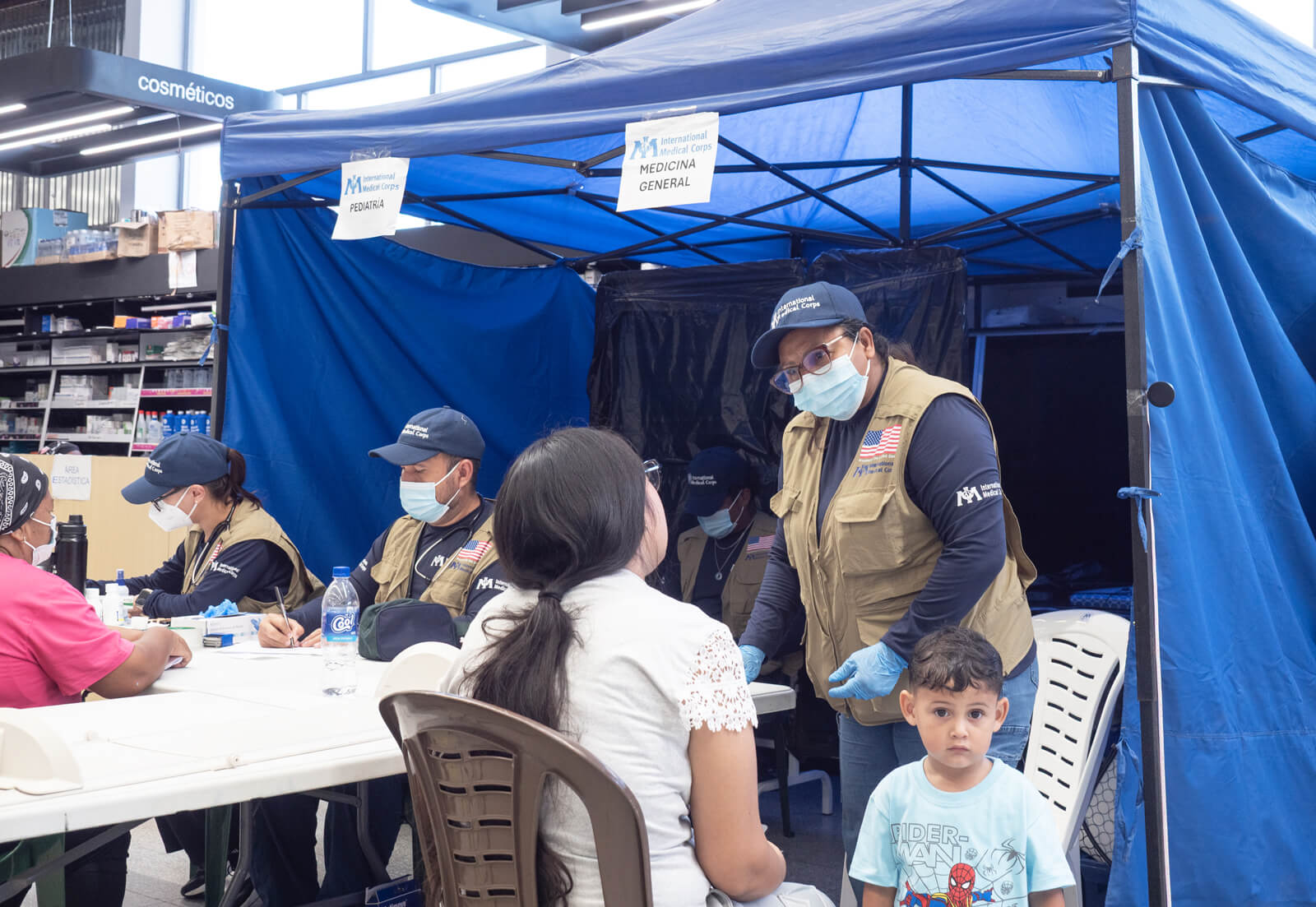
This emergency is not over, and people urgently need assistance. We are continuing to work closely throughout the region with national, state and local authorities and community partners to identify urgent needs in health facilities, shelters and underserved locations, so we can quickly expand our coverage to those areas.
Treating Patients in the Nigeria Cholera Outbreak
Cholera is a preventable, treatable disease that can turn deadly when clean water, basic sanitation, hygiene items, cholera vaccines and simple treatments such as oral rehydration salts aren’t available. In Nigeria, more than 28,000 cholera cases have been reported since the onset of an outbreak that began in May. So far, at least 143 people have died from the disease.
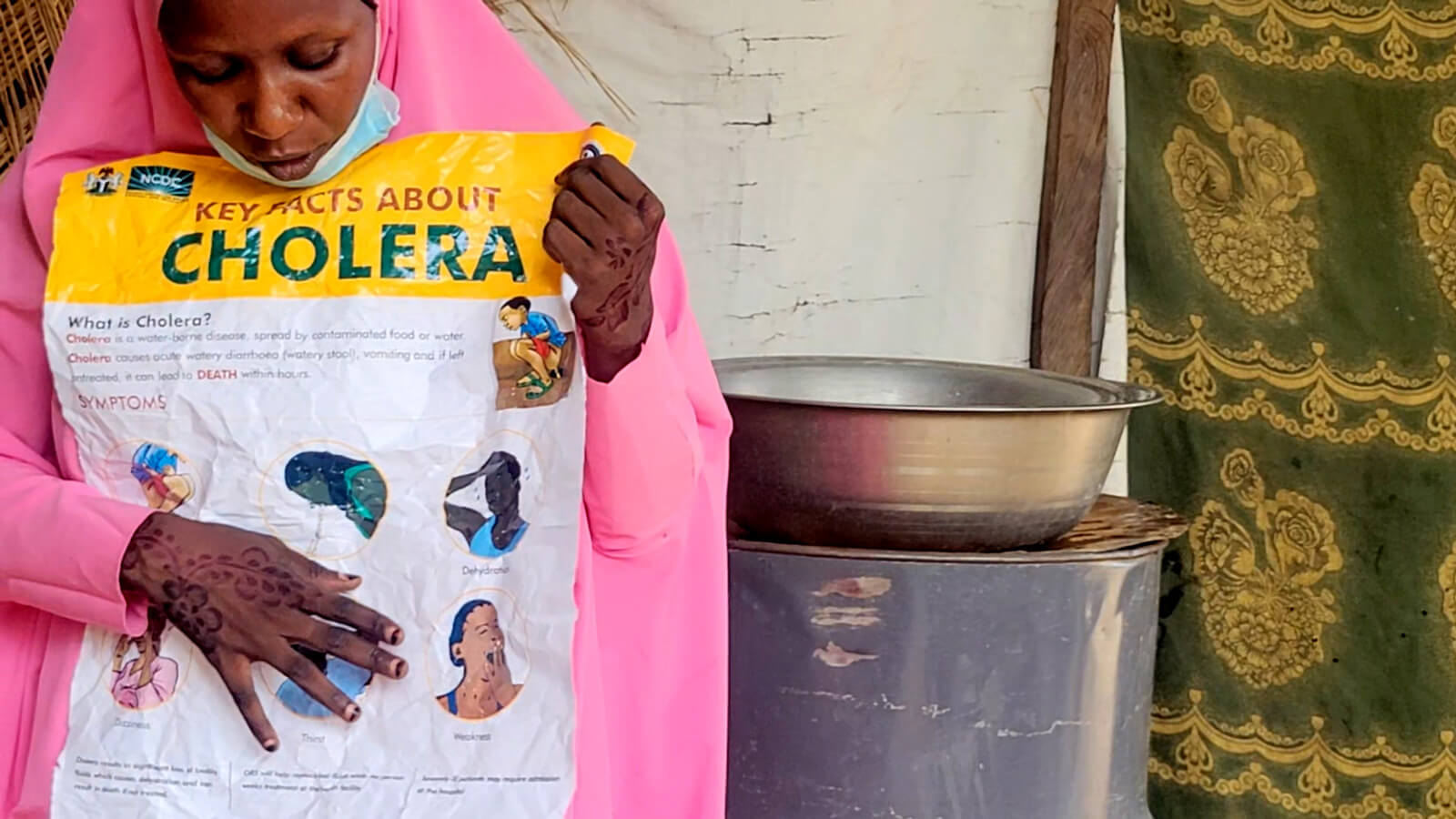
One of the best ways to stop the spread of cholera is to make sure people have accurate information about how to prevent and treat it. This critical work is often done by volunteer community health workers—like Aisha, who leads community awareness sessions in Borno state. International Medical Corps’ trained volunteers have so far reached more than 54,000 people with lifesaving public health information about cholera prevention and treatment while working to build trust and adapt solutions to the needs of the community.


International Medical Corps is also coordinating with national and local authorities and partners to support the cholera response by:
- providing hygiene kits with essential supplies, such as soap;
- distributing public health training materials;
- training health workers to identify and safely manage cholera cases; and
- prepositioning cholera kits so local government teams are equipped to respond rapidly when cases are identified.
Bringing Relief to Families in the Philippines
The Philippines have recently been affected by multiple natural disasters, including a devastating 7.8-magnitude earthquake near Mindanao in June 2026, two typhoons that hit Luzon in November 2025 and a 6.9-magnitude earthquake that struck Cebu in September 2025. Scores of people have been killed by these disasters, while hundreds of thousands have been displaced and infrastructure—including health facilities—has been damaged or destroyed.
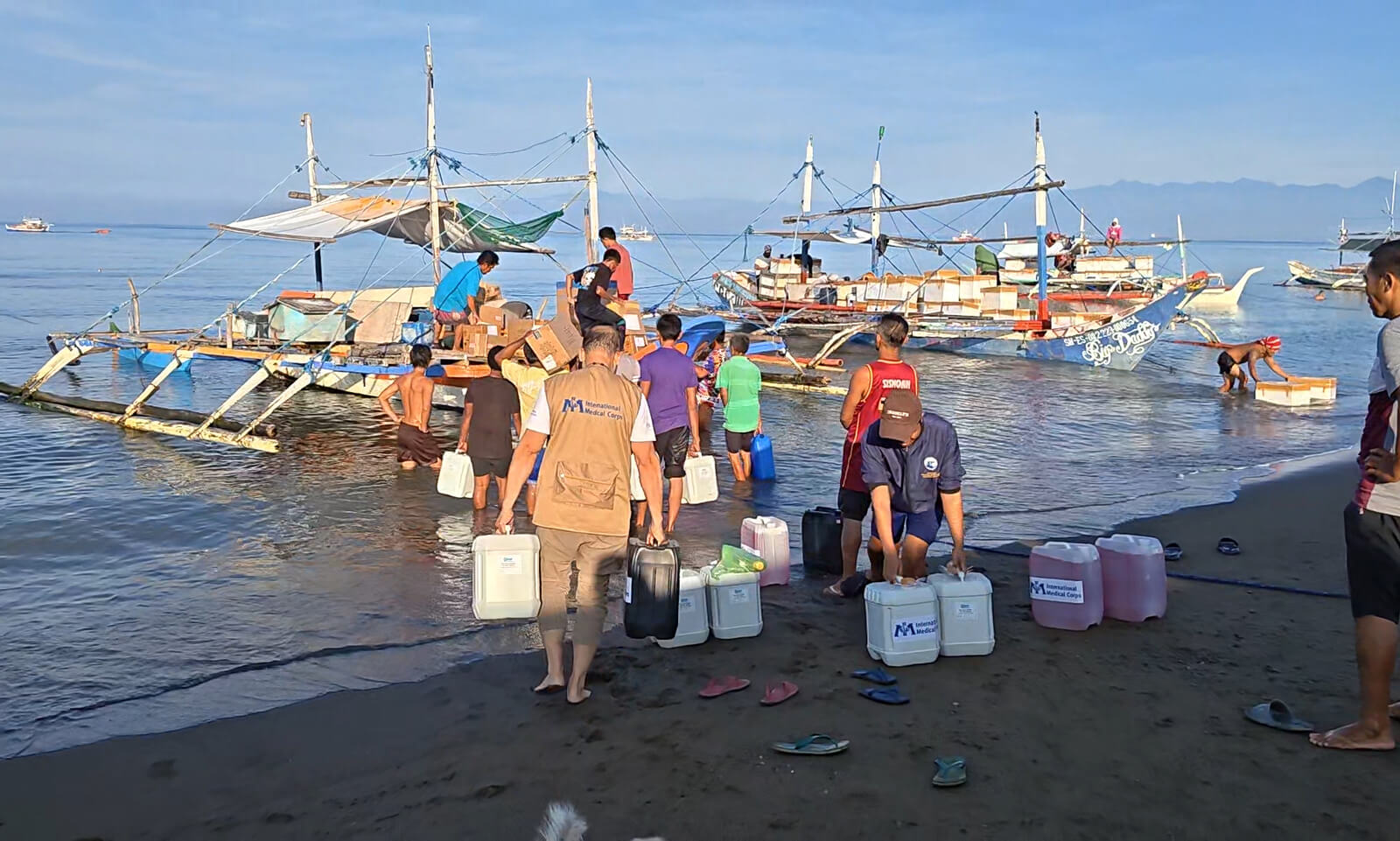
International Medical Corps, which has been active in the Philippines since November 2013, has provided emergency medical relief and support to all these disasters and many more.


After the Mindanao quake, International Medical Corps immediately sent a team to Sarangani province to provide essential medicine, medical supplies, generator sets and fuel to damaged health facilities, as well as hygiene kits and food packs to households affected by the earthquake. Working with national and local authorities and humanitarian partners, International Medical Corps remains committed to supporting the local health system and helping to ensure that disaster-affected communities can get the care they need as they work to recover.
Learn more about International Medical Corps
Follow International Medical Corps on Facebook, Twitter, Instagram, LinkedIn, TikTok, Threads, Bluesky and YouTube.
Are you a journalist looking for information?
International Medical Corps is a global first responder that delivers emergency medical and related services to those affected by conflict, disaster and disease, no matter where they are, no matter the conditions. We also train people in their communities, providing them with the skills they need to recover, chart their own path to self-reliance and become effective first responders themselves. Established in 1984 by volunteer doctors and nurses, we are a nonprofit with no religious or political affiliation, and now have more than 8,000 staff members around the world, 96% of whom are locally hired. Since our founding, we have operated in more than 80 countries, and have provided more than $4.2 billion in emergency relief and training to communities worldwide.
Our staff includes experts in emergency medicine, infectious disease, nutrition, mental health, maternal and infant health, gender-based violence prevention and treatment, training, and water, sanitation and hygiene, all within the humanitarian context.
To arrange an interview on or off the record, contact our Media Relations team at media@internationalmedicalcorps.org.