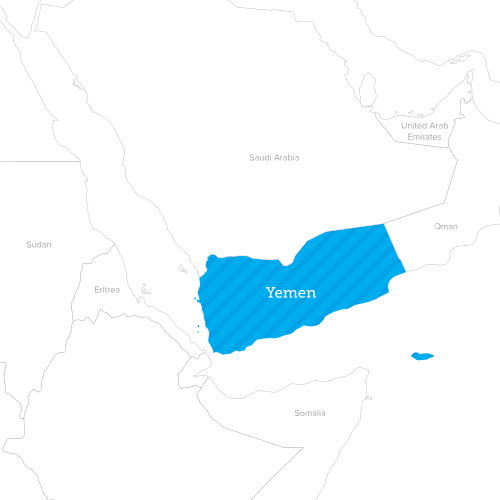
Yemen
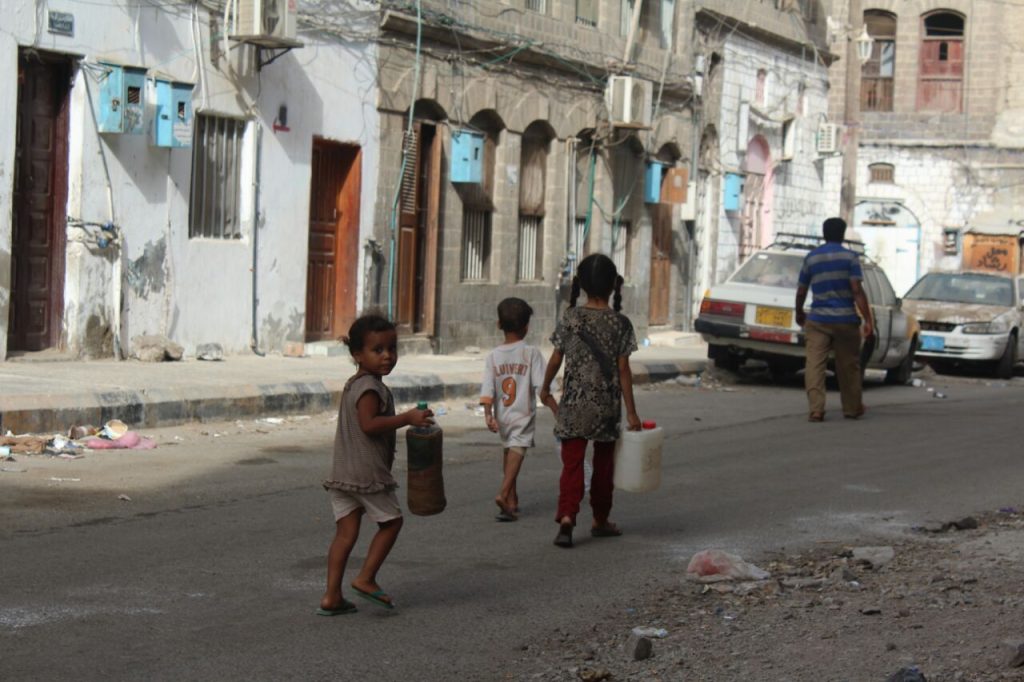
After almost a decade of civil war with no end in sight, widespread hunger, disease and poverty have left 19 million Yemenis in desperate need of humanitarian assistance, making the conflict in Yemen one of the world’s worst humanitarian crises.
International Medical Corps has worked in the country since 2012, providing healthcare, nutrition, food security and livelihoods (FSL), protection, and water, sanitation and hygiene (WASH) assistance.
34.9 million
4.8 million
19 million
Conflict, Hunger and Disease in Yemen
The Middle East’s poorest country before the war began in 2014, today Yemen ranks among the world’s worst humanitarian disasters, with 18.2 million people estimated to be in need of some kind of emergency assistance. Health authorities have struggled for years to control chronic malnutrition in Yemen, but the ongoing civil war has caused food security conditions to worsen dramatically.
Learn MoreThe Challenges

Food Insecurity
Nearly 18 million Yemenis—more than half the country’s population—are estimated to be food-insecure, while more than half of Yemeni children under 5 suffer from serious malnourishment.

Damaged Healthcare System
Only about half of Yemen’s health facilities are functional, making it extremely challenging to meet the healthcare needs of the population.

Displacement
Decades of conflict have displaced nearly 5 million people in the country. The large number of internally displaced persons (IDPs) puts pressure on the already fragile healthcare and infrastructure systems as host communities and IDPs attempt to access the country’s scarce resources.

Unsafe Water
More than a quarter of Yemenis lack access to safe water, leaving them vulnerable to water-borne infections such as cholera and diarrhoea.
Our Response

Healthcare
International Medical Corps helps primary, secondary and tertiary healthcare facilities in Yemen remain functional. We provide a range of services, including maternal and newborn healthcare, and prevention and control of communicable and noncommunicable diseases. We also provide chemotherapy and other supportive drugs to cancer patients.
We provide essential medical supplies to health facilities, and support sustainable energy solutions by installing solar panels to facilitate the storage of medicines, vaccines and nutrition supplies under ideal temperature conditions. These interventions support immunisation campaigns for women and children.
Mobile medical units provide us with the flexibility to help IDPs and those who reside in remote areas.

Nutrition
In a country where food security has been a challenge even in the best of times, we implement nutrition-specific curative and preventive interventions to address growing needs. Years of war have left four out of 10 Yemenis acutely malnourished—in parts of Yemen, acute malnutrition among children under 5 is at the highest level ever recorded.
We support the treatment of severe acute malnutrition (SAM) and moderate acute malnutrition (MAM) among children aged 6 months to 5 years, as well as among pregnant and lactating women (PLWs), through outpatient therapeutic and targeted supplementary-feeding programs. We refer children with SAM requiring further treatment due to medical complications to stabilisation centres, working in coordination with the World Health Organization and UNICEF.
We also support infant and young-child feeding (IYCF) spaces that provide individual counselling to PLWs and encourage them to adopt optimal feeding practices for their children during the first 1,000 days of life. To prevent malnutrition at the household level, our community health and nutrition networks actively detect and refer cases while promoting IYCF and hygiene practices among women and caregivers.

Water, Sanitation and Hygiene (WASH)
Our WASH interventions focus on promoting public health and mitigating the increased risk of diseases caused by reduced access to clean water, basic sanitation and hygiene. Since 2012, we have reached millions of Yemenis with WASH services.
We collaborate with local authorities to rehabilitate and protect water sources, including installing solar-powered pumps for water systems. Where the water infrastructure is damaged, we also deliver water by truck to health facilities and IDPs.
Our WASH team supports the construction of institutional and communal latrines, water and sewage systems and medical waste zones, which have helped to reduce public health risks of nosocomial infections. We also support cleaning campaigns and provide infection prevention-and-control (IPC) kits, hygiene kits and cholera kits.
We train community health volunteers on key hygiene messages and build the capacity of health facility staff by training them on medical-waste disposal. We also help communities and local authorities take ownership of WASH projects to ensure their sustainability and effectiveness.

Food Security and Livelihoods
International Medical Corps’ integrated approach to FSL involves providing food baskets and unconditional cash assistance to affected households, prioritising those with PLWs and children under 5. Our assistance enables them to meet their basic household food needs in a dignified way and avoid negative coping mechanisms, such as selling livelihood assets to purchase food. Unconditional cash assistance increases access to safe and nutritious food, reduces harmful coping strategies and mitigates acute malnutrition relapses.

Protection
We place the protection of the people we serve at the centre of our humanitarian response by prioritising safety and dignity, promoting meaningful access to services, ensuring the participation of targeted groups and promoting human rights without causing harm.
Our activities aimed at child protection (CP) and prevention of violence against women and girls (VAWG) include case management and emergency cash aid. We raise awareness about VAWG and CP through community sensitisation activities, and provide safety referrals and family-support activities in partnership with women-led organisations. Our activities ensure safe access to our services for survivors and create a more secure environment for conflict-affected communities.

Capacity Building
Regular training on health, nutrition, WASH, food security and protection issues is a central component of our programming in Yemen. Training ensures the delivery of quality services in line with recognised standards and protocols while improving knowledge and skills, helping to sustain the beneficial effects of interventions.
We train health and nutrition cadres on integrated management of childhood illnesses, expanded immunisation programmes, reproductive health, emergency obstetrics and newborn care, mental health, mass casualty, IPC measures, community-based management of acute malnutrition and IYCF in emergencies.
We also train water-management committees on operational maintenance and protection of water sources. We have established a network of more than 300 community health volunteers who play a critical role in spreading health education, and nutrition and hygiene messaging throughout communities.
Our Impact
Portable Tech, Powerful Impact: Yemen’s New Approach to Maternal and Neonatal Care
A collaborative training initiative combines innovation, skills and technology to advance maternal and newborn health in the country.
READ MOREBlog Series: Inside Yemen's Tragedy
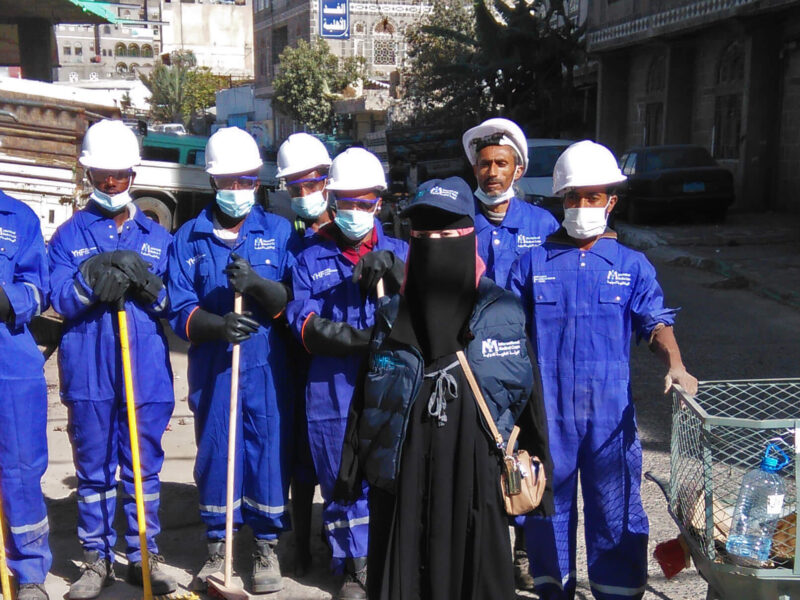
Serving as a CHV Transforms a Young Yemeni Woman
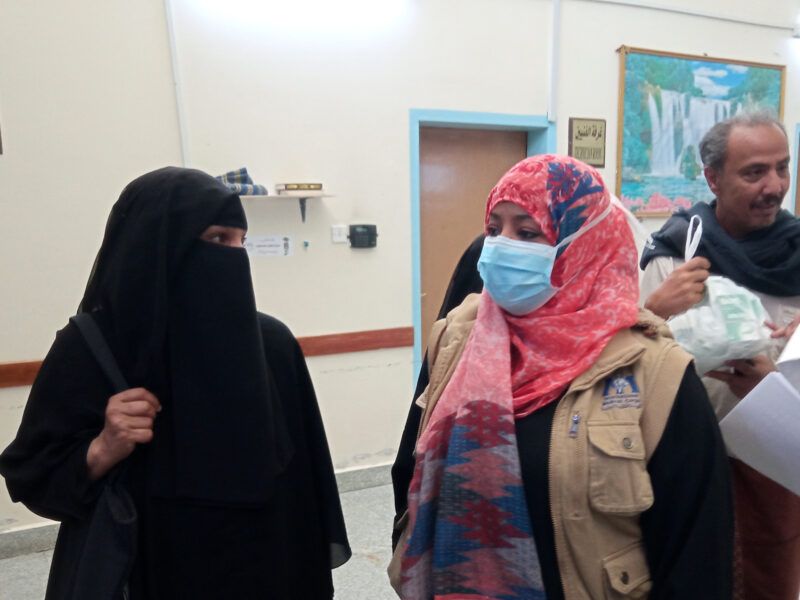
Waiving Costs and Restoring Hope: Fighting Cancer and other Non-Communicable Disease for No Charge
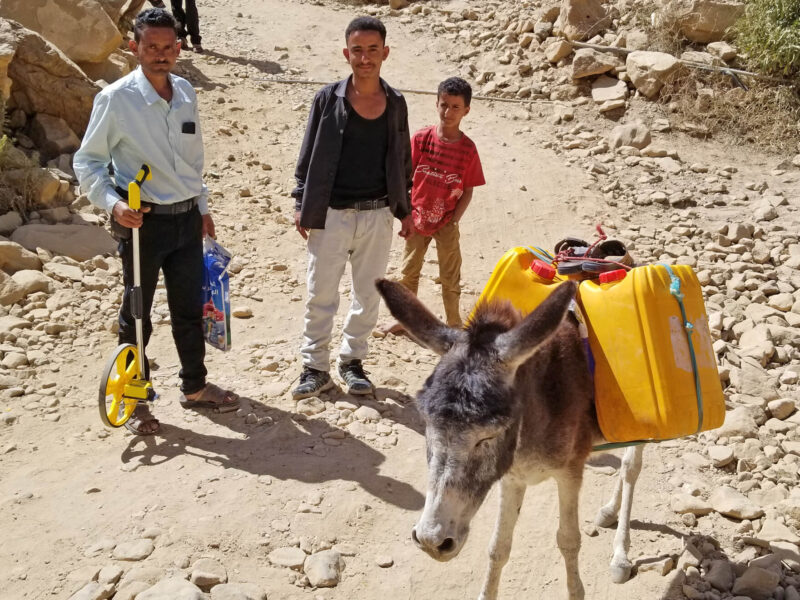
A Humanitarian Looks Back at Five Challenging Years Punctuated with Moments of Sheer Joy
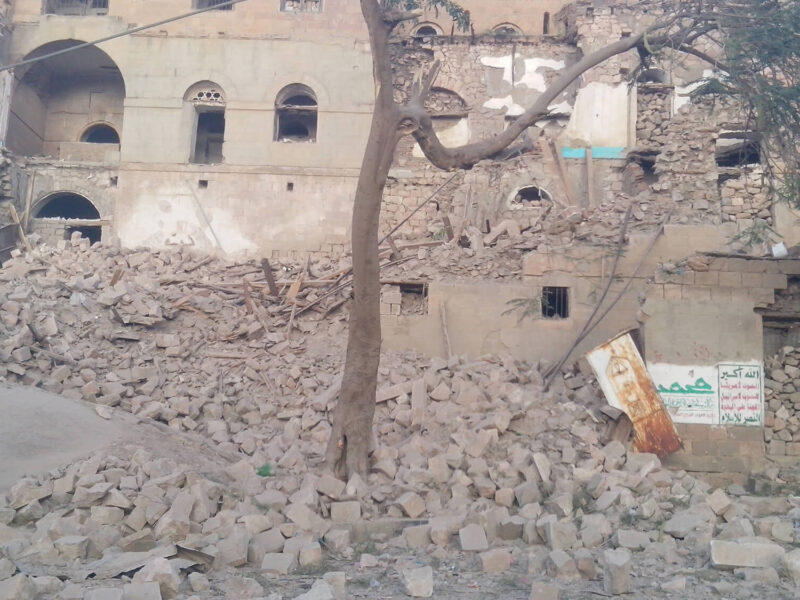
Fleeing the War in Yemen: One Family’s Odyssey
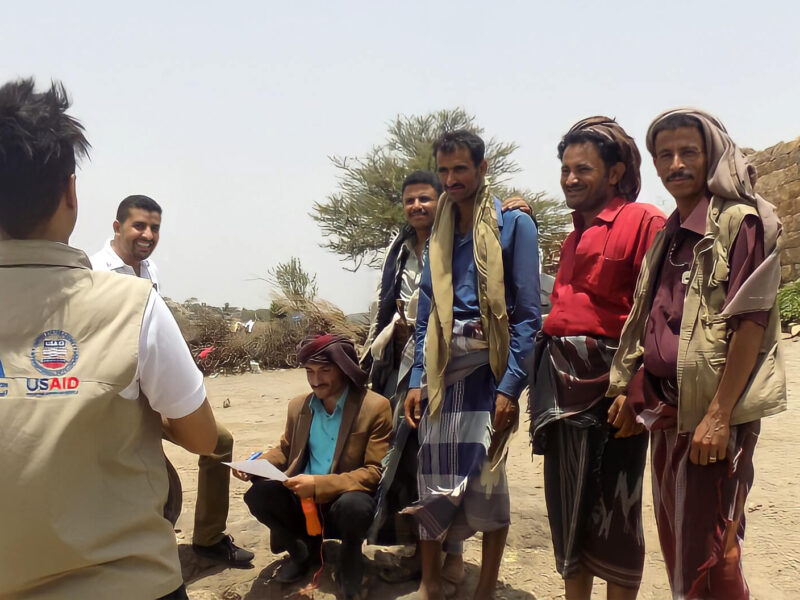
How Growing Up with Autism Created a Spirit of Advocacy and Service
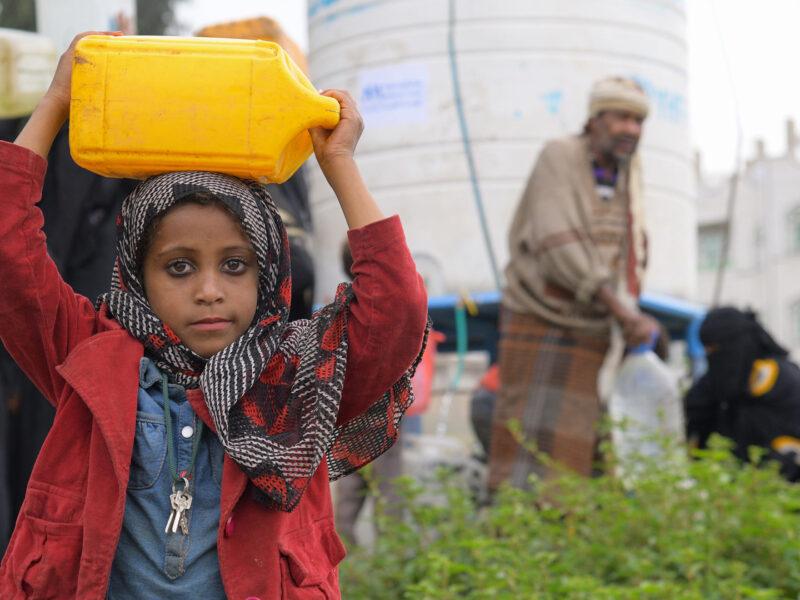
On the Edge of Despair, an Aid Worker Knows There’s Only One Choice: Keep Going
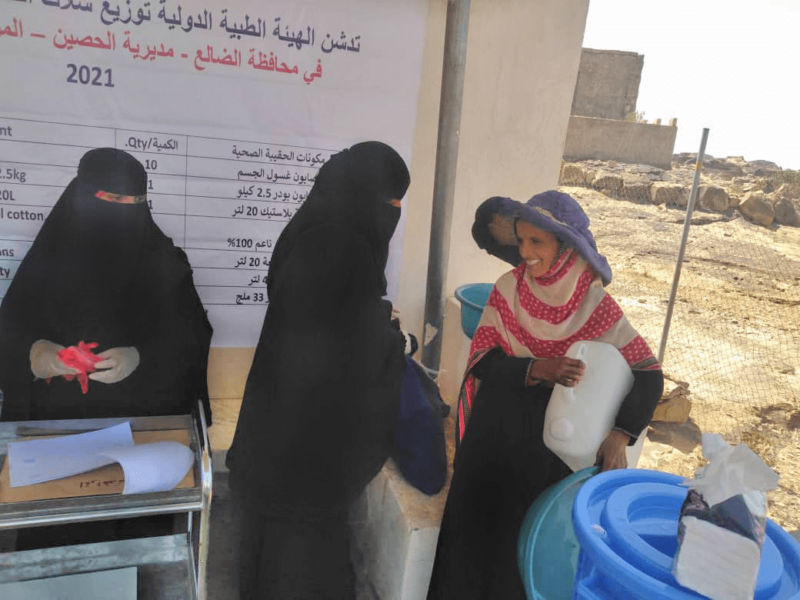
Facing Overwhelming Needs, One Life and One Family at a Time
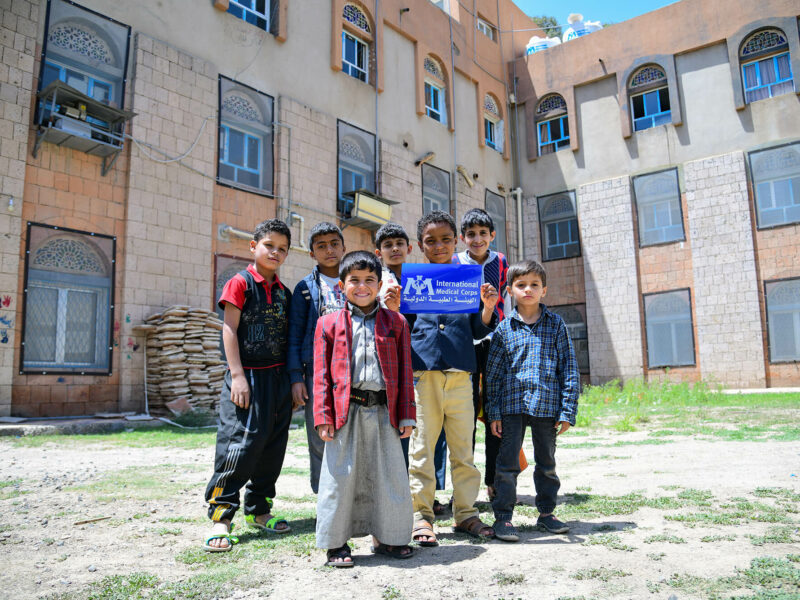
Drawing New Strength from Those Who Have Lost Everything—Except Hope
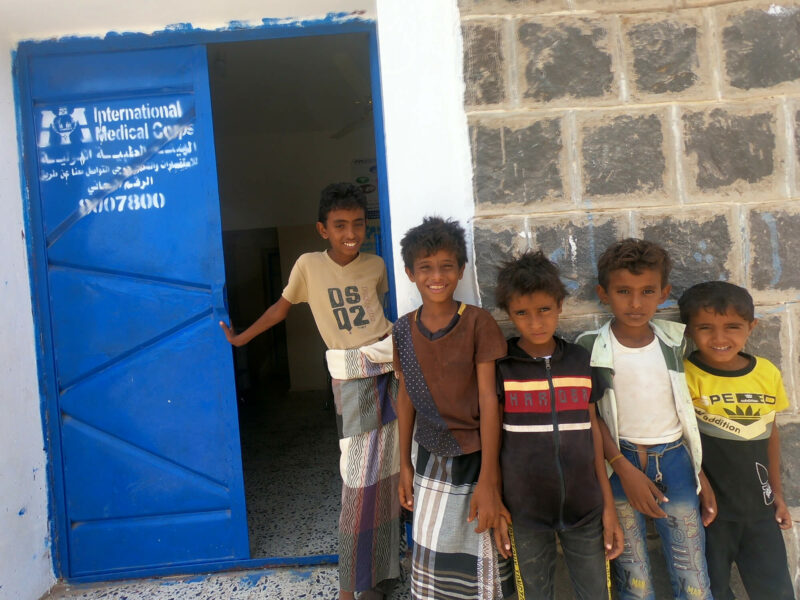
Rebuilding Healthcare at Ground Zero of a Humanitarian Disaster
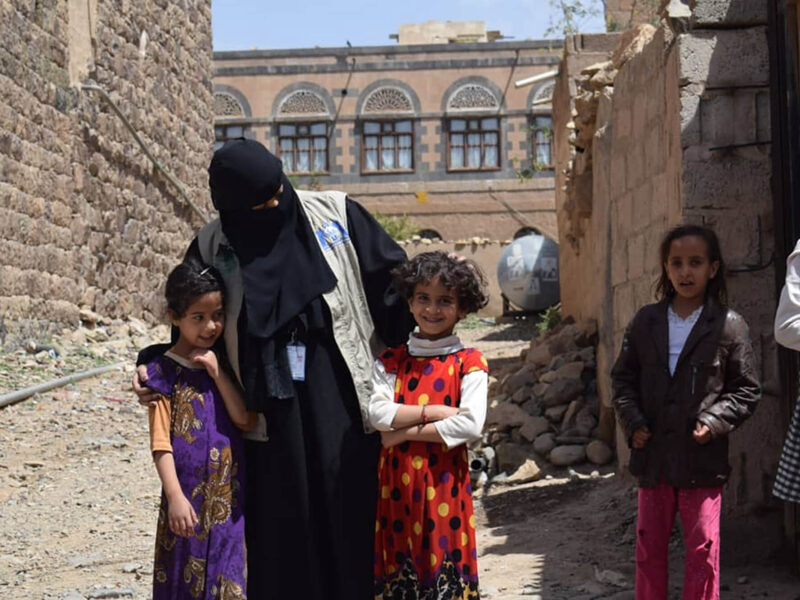
Finding New Hope and Resolve in the Midst of War, COVID-19 and Donor Fatigue
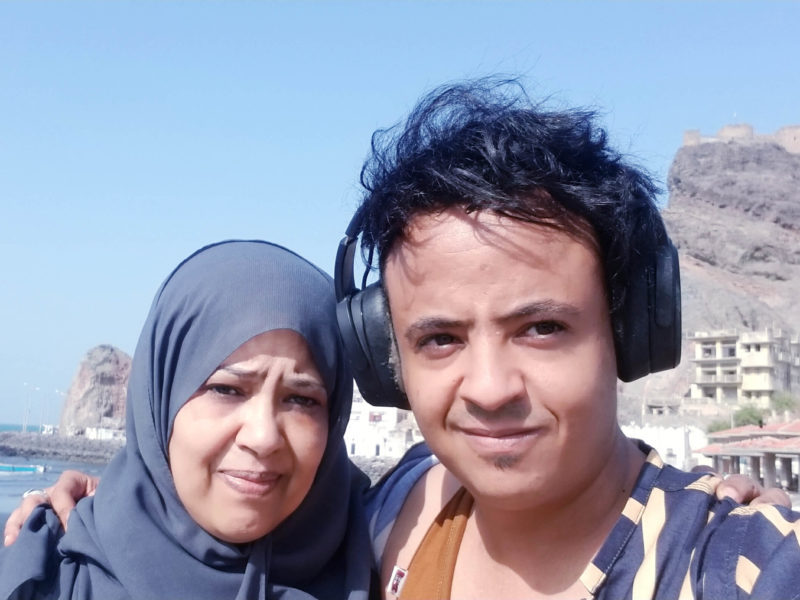
A Beacon of Optimism and Resilience Shines in Dark Times
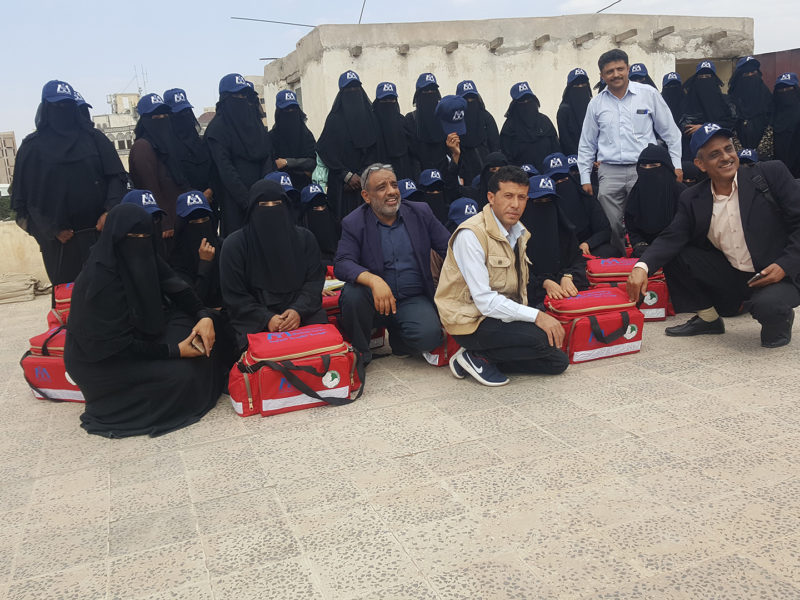
Building a Foundation for Healthcare in Rural Yemen
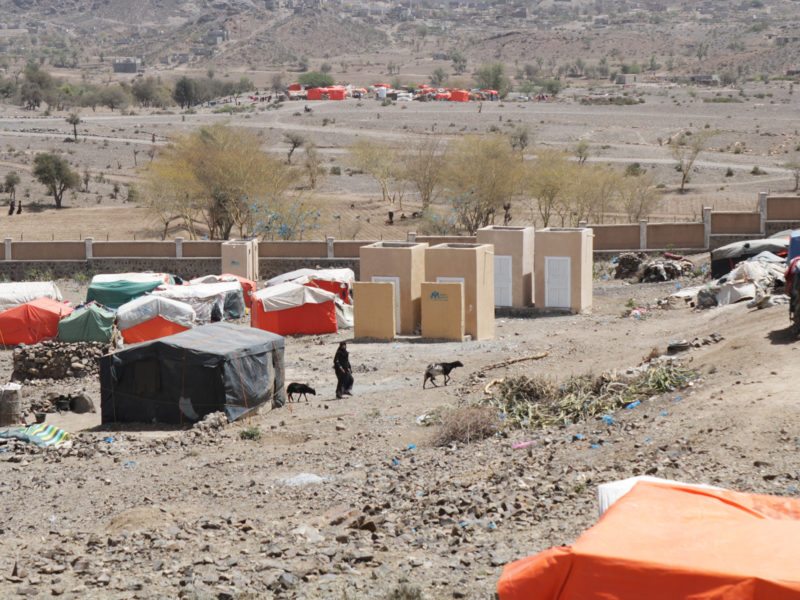
Blog: Inside Yemen’s Tragedy
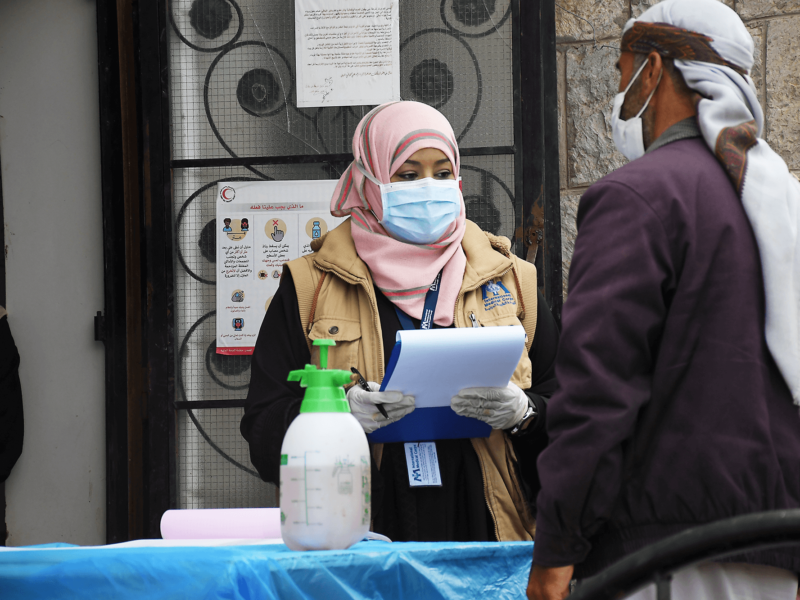
Making a Difference and Saving Lives in Yemen
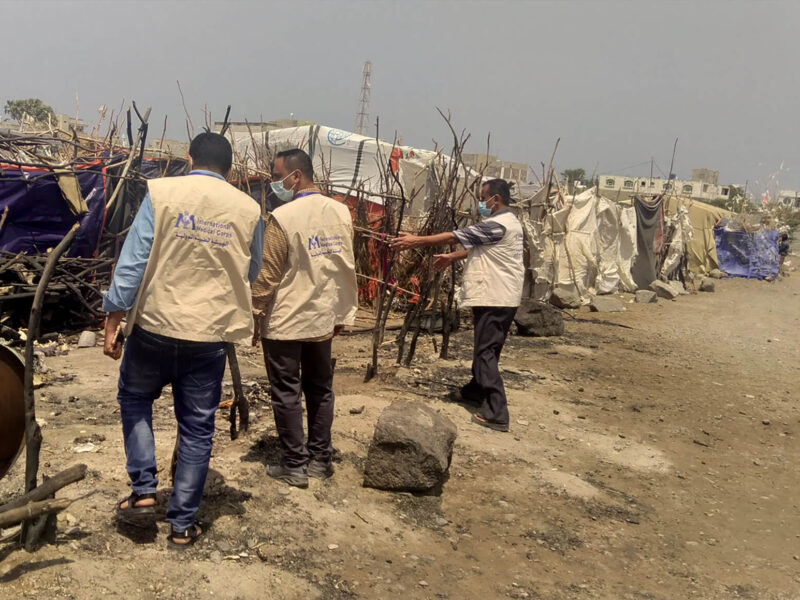
Mobile Healthcare Teams Make a Difference in Yemen’s Southwest
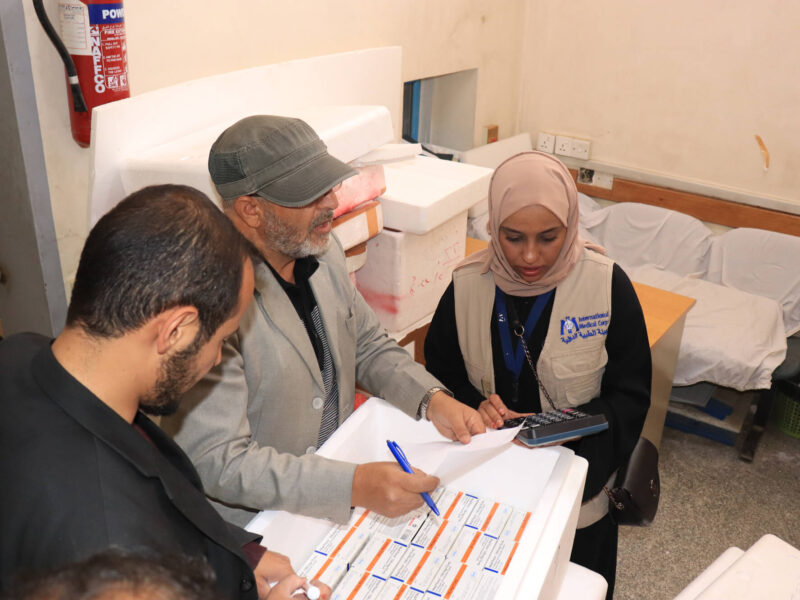
New Treatments Rekindle Hope for Yemen’s Oft-Forgotten Cancer Patients
Frequently Asked Questions
-
Why is the situation in Yemen considered one of the world’s worst humanitarian crises?
Yemen was already struggling to control communicable diseases and chronic malnutrition when civil war broke out in 2014. The current conflict and its destruction of the country’s infrastructure and economy has plunged its residents deeper into misery. The conflict has caused significant civilian casualties and displacement, while the collapse of healthcare and sanitation systems has exacerbated outbreaks of diseases like cholera, contributing to the dire situation. As the conflict continues, millions of Yemenis cannot access adequate food, water, healthcare and protection services.
-
Why is malnutrition widespread in Yemen?
Yemen had struggled with food and water scarcity long before the conflict started. Today, Yemenis are dealing with the destruction of food and water infrastructure caused by the conflict, combined with flooding and droughts—caused by climate change—that have put additional pressure on the country’s agricultural resources. Poverty and population displacement involving the loss of agricultural livelihoods have further strained people’s ability to access food. To tackle malnutrition, International Medical Corps provides nutrition services, as well as food and livelihoods assistance, throughout the country.
-
How has Yemen’s crisis affected children?
The impact of the crisis on children has been devastating. Some 11 million Yemeni children are in desperate need of humanitarian assistance, and almost half of the children under 5 are suffering from serious malnutrition. Millions of children have been displaced, injured and even killed in the conflict, and 39% of children in the school-going age are not enrolled in schools. A 2019 United Nations report concluded: “Yemen now risks losing its youngest generation to a vicious cycle of violence, displacement, poverty and illiteracy.”
-
What caused the cholera outbreak in Yemen?
Much of Yemen’s water infrastructure has been destroyed in the conflict or has fallen into disrepair. When people lack access to safe water for drinking, the risk of water-borne diseases, including cholera, increases. Simultaneously, the limited number of functioning health facilities and shortages of medications and staff make it harder for the country to tackle the spread of the disease. As a result, cholera has spread rapidly in Yemen and is deepening the country’s crisis.
-
How can I help people in Yemen?
Help Yemenis—and other crisis-affected people around the world—by donating to International Medical Corps today.